Can porcelain crowns correct bite problems from failed overseas dental work in Clyde North?
Case Note ID:Nov-2024-PCR
Location:Smile Lounge (serving the Clyde North area)
Primary Treatments:Porcelain Crowns, Periodontal Management
Supporting Technology:Digital Bite Analysis, Hand-Layered Porcelain Fabrication
Presenting Clinical Problem
A 62-year-old patient presented with multiple complications following dental tourism treatment requiring comprehensive restorative rehabilitation.
- Occlusal Dysfunction:Misaligned previous dental work causing difficulty with normal biting function
- Anterior Tooth Damage:Chipped and worn front teeth resulting from improper bite relationships
- Active Periodontal Infection:Chronic gum infection causing discomfort and compromising oral health
- Uneven Tooth Wear:Accelerated attrition patterns from malocclusion affecting multiple teeth
- Functional Impairment:Compromised chewing ability affecting dietary choices and meal enjoyment
The primary clinical objective was to eliminate active infection, restore proper occlusal relationships, strengthen compromised anterior teeth, and achieve balanced functional aesthetics through comprehensive crown rehabilitation.
Treatment Plan & Clinical Process
A systematic restorative approach was developed addressing infection management before definitive crown placement with emphasis on occlusal correction.
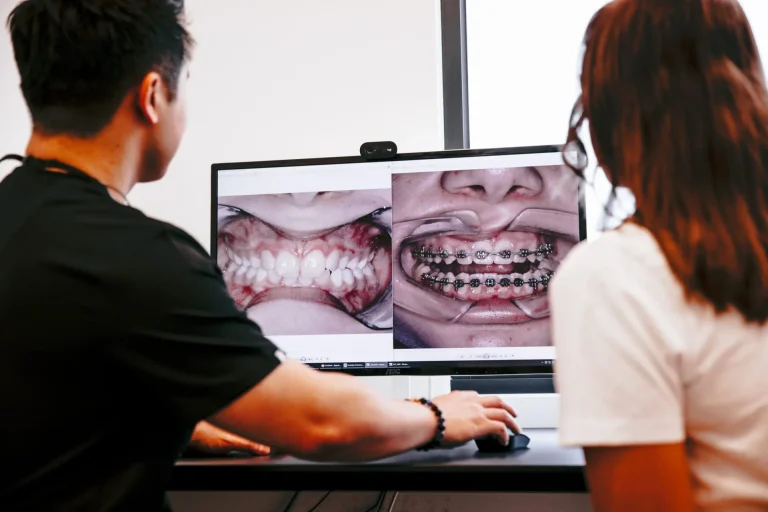
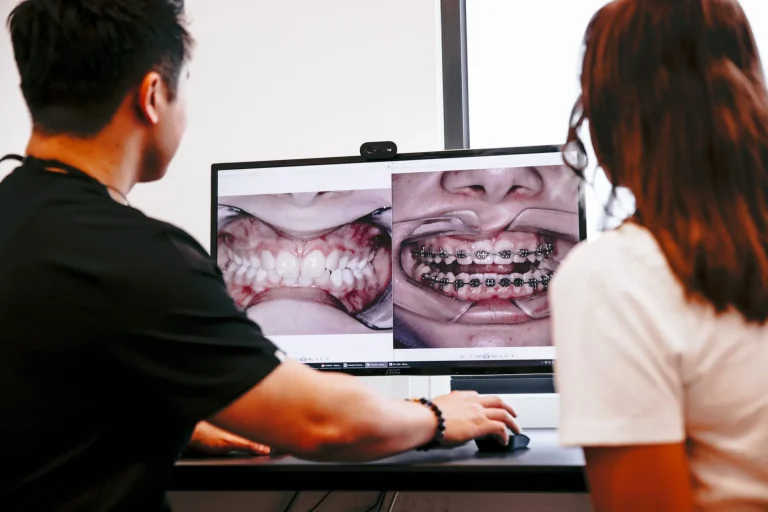
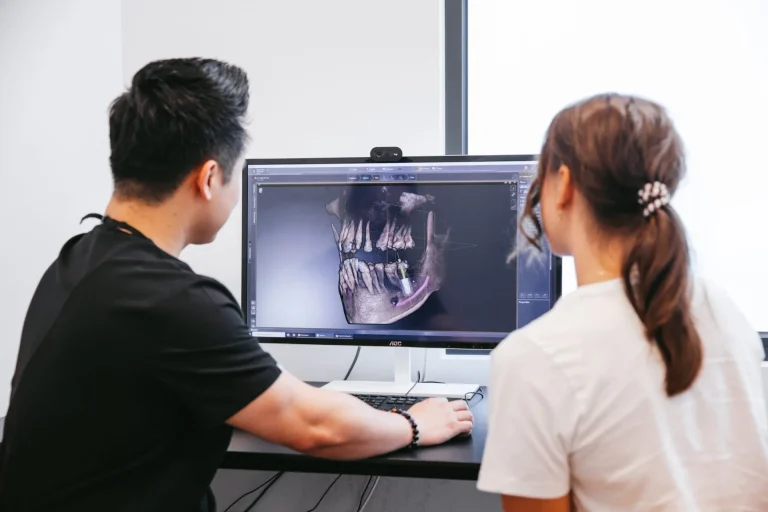
- Phase 1: Infection Management and Assessment:Treatment commenced with thorough periodontal evaluation and management of active gum infection. Antimicrobial therapy and appropriate periodontal procedures established healthy tissue foundation essential for successful crown placement. Comprehensive bite analysis identified occlusal discrepancies requiring correction. Digital planning determined optimal crown contours and occlusal relationships for functional rehabilitation.
- Phase 2: Crown Fabrication and Placement:Hand-layered porcelain crowns were custom designed to restore proper tooth anatomy and establish balanced occlusal contacts. Crown preparation preserved maximum tooth structure while ensuring adequate retention and resistance form. Provisional restorations enabled occlusal refinement and tissue conditioning during fabrication period. Final crowns were cemented following verification of fit, occlusion, and aesthetics.
- Phase 3: Occlusal Adjustment and Monitoring:Precise occlusal adjustments ensured balanced bite relationships and eliminated premature contacts. Follow-up appointments monitored tissue response, crown integration, and functional comfort during adaptation period.
Clinical Outcome
The treatment successfully eliminated periodontal infection and restored proper bite function through systematic crown rehabilitation. Hand-layered porcelain crowns strengthened compromised anterior teeth while establishing balanced occlusal relationships that eliminated bite discomfort. The restoration corrected alignment issues from previous dental work, enabling normal chewing function and improved oral hygiene maintenance.
Outcomes depend on individual patient characteristics, oral hygiene maintenance, occlusal forces, and compliance with recommended care protocols. Regular professional monitoring remains essential for long-term crown success and periodontal health. Individual responses and results vary, and outcomes experienced by one patient do not necessarily reflect results others may experience.
Frequently Asked Questions for Berwick Patients
What are the risks of dental tourism and how can complications be corrected?
Dental tourism complications are common due to rushed treatment, inadequate planning, substandard materials, or lack of follow-up care. We often see improper bite alignment, poorly fitting crowns, infections, and structural failures. Fixing these usually means removing the failed work, treating infections, and redoing treatment properly.
We’ll assess remaining tooth structure, bone support, and any infections. Unfortunately, correction often costs more than the original treatment, and severe damage may require extraction and implants.
How long do hand-layered porcelain crowns typically last?
With proper care, hand-layered porcelain crowns generally last 10-15 years or longer. Longevity depends on bite forces, grinding habits, oral hygiene, and regular checkups. Hand-layering gives us better control over aesthetics, matching natural color and translucency precisely.
These crowns resist stains and wear well. Regular visits help us spot early signs of problems before they become serious, potentially extending the life of your crowns even further.
Can bite problems from previous dental work be corrected without replacing all restorations?
It depends on severity and the condition of existing work. Minor bite issues can often be fixed by adjusting current restoration surfaces. Moderate to severe problems usually need replacement of poorly designed work to restore proper function.
We’ll do a comprehensive bite analysis to determine what needs replacing versus adjusting. Sometimes strategic crown placement on key teeth can fix the bite without full-mouth work, but every case is different and requires individual assessment.