Sleep Dentistry
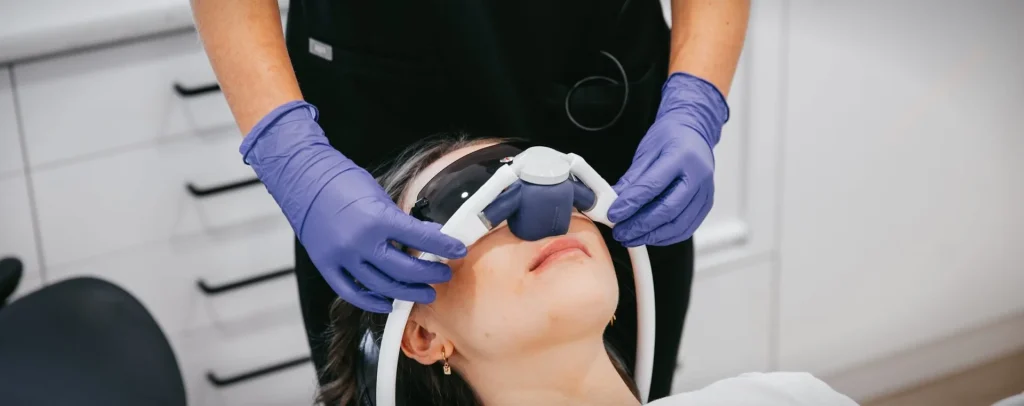
Does the thought of dental procedures make you uneasy?
For patients with severe dental anxiety, complex treatment needs, or medical conditions requiring deeper sedation, our sleep dentistry option offers a carefully managed and effective way to receive care while fully asleep.
Our purpose-built anaesthesia facility at Smile Lounge in Narre Warren, South East Melbourne is designed to support your comfort during even the most advanced procedures, so you can rest easy knowing you’re in capable hands.
Understanding General Anaesthesia
General anaesthesia is a controlled state of unconsciousness used for dental procedures requiring complete sedation. Unlike other forms of sedation, which simply numb a certain area or help you relax a little, general anaesthesia renders you completely unaware, meaning you don’t experience pain or anxiety during the procedure.
Administered by a qualified anaesthetist, this option is ideal for patients undergoing complex treatments or those who may find traditional sedation insufficient. Smile Lounge’s purpose-built facility is equipped with advanced monitoring technology to support a comfortable, well-managed experience from start to finish.
Is General Anaesthesia the Right Option for You?
General anaesthesia may be recommended for patients who:
- Experience extreme dental anxiety or phobia.
- Require extensive or invasive procedures, such as full-arch restorations.
- Have a medical condition that complicates traditional sedation.
- Prefer to be fully unconscious during treatment for greater comfort.
- Are undergoing multiple treatments in a single session.
While oral sedation and local anaesthetics are effective for many patients, general anaesthesia offers an alternative for those needing complete sedation. Our experienced team will guide you in selecting the most suitable option based on your needs.
Your Path to Stress-Free Care
Receiving treatment under general anaesthesia is straightforward and carefully managed. Here’s what to expect:
1. Consultation & Assessment
We’ll begin by assessing your oral health through an in-depth consultation and putting together the most effective treatment plan for you.
2. Eligibility Check by Anaesthetist
Our qualified anaesthetist, Dr Ravi, will conduct a thorough review of your medical background, including any pre-existing conditions or medications, to determine your suitability for sleep dentistry. This step helps support your safety throughout the procedure.
3. Preparation for Anaesthesia
On the day of your procedure, the anaesthetist will administer the anaesthesia and monitor your vital signs throughout, helping support your safety and comfort.
4. The Procedure
While under anaesthesia, your dental treatment will be carried out efficiently by our experienced team. You’ll be completely unaware of the procedure while under anaesthesia.
5. Recovery & Aftercare
After the procedure, you’ll wake up in a calm, supportive environment. Our team will monitor your recovery and provide detailed aftercare instructions to support your transition back to your routine.
Access Superannuation Fund To Fund Your Treatment
We understand that the financial side of dental treatment can feel overwhelming. That’s why we’re here to help you explore the option of accessing your superannuation to fund necessary care. Many of our patients have successfully used this pathway, and we’re ready to guide though every step, so you can move forward with comfort, clarity, and confidence.
 Learn More
“With sleep dentistry, you’ll receive the care you need with your comfort carefully managed throughout.”

Luxury With Transparency
Download our price list to explore transparent pricing for the art of modern dental care.
Risks & Recovery
Sleep dentistry uses sedation to help patients feel relaxed during treatment, and like all medical procedures, it has risks and recovery considerations.
Possible risks include:
- Nausea, drowsiness or dizziness following sedation
- Dry mouth or headache after the procedure
- In rare cases, allergic reaction or breathing difficulties related to sedative medications
- Temporary changes in blood pressure or heart rate, which are monitored during treatment
Recovery considerations:
- Patients may feel drowsy for several hours after the procedure
- Driving or operating machinery is not permitted for 24 hours after sedation
- A responsible adult must accompany the patient home
- Normal activities can usually be resumed the following day, depending on the procedure performed
FAQs
What should I do to prepare for general anaesthesia?
You’ll need to avoid eating or drinking for a specified period before your procedure, as instructed by your anaesthetist. It’s also important to provide your full medical history, including any medications or supplements you’re taking, so we can tailor the anaesthesia plan to your needs. Our team will guide you through the preparation process, helping you feel informed and at ease before your treatment.
Is sleep dentistry safe?
General anaesthesia is a well-established option when administered by a qualified anaesthetist. At Smile Lounge, we use advanced monitoring technology and follow stringent protocols to support your safety throughout the procedure. Our anaesthetist, Dr Ravi, will review your medical history to help manage any risks.
How long does it take to recover from general anaesthesia?
Recovery times vary, but most patients feel alert within a few hours. You’ll need someone to drive you home and may need to rest for the remainder of the day. Our team will provide detailed aftercare instructions to support your recovery.
Expertise You Can Trust
Comprehensive Care Under One Roof
Where Chic
Meets Comfort
When you choose Smile Lounge, you’re stepping into a space where luxury meets innovation. At Smile Lounge, we elevate every aspect of your dental experience to reflect the standard of care you can expect.
Payment Plans Made Simple
At Smile Lounge, we understand the value of flexible payment plans. Our payment options make it easy for you to focus on what matters most: your care.



Effortless care tailored to your needs.
Your Smile, Comfortably Restored
Sleep Dentistry at Smile Lounge offers a comfortable solution for patients needing complex or extensive care. In our purpose-built facility and lounge-like environment, you’ll receive experienced attention in a relaxing, supportive environment.
Call us at (03) 8820 1115 or complete our booking form to schedule your consultation. Let us take care of your smile with considered comfort and experienced care.
DISCLAIMER: The material posted is for informational purposes only and is not intended to substitute for professional medical advice, diagnosis or treatment. Results vary with each patient. Any dental procedure carries risks and benefits. If you have any specific questions about any dental and/or medical matter, you should consult your dentist, physician or other professional healthcare providers.
*Subject to approval, eligibility criteria, terms and conditions. Final repayment price may vary based on individual treatment plan and duration.