Can porcelain crowns and bridges restore function in cases of posterior tooth loss and anterior wear in Beaconsfield?
Case Note ID:Nov-2024-CR
Location:Smile Lounge (serving the Beaconsfield area)
Primary Treatments:Porcelain Crowns, Porcelain Bridges
Supporting Technology:Digital Impressions, Occlusal Analysis, Bite Reconstruction Planning
Presenting Clinical Problem
A 67-year-old patient presented with extensive posterior tooth loss and resultant anterior dental deterioration requiring comprehensive restorative rehabilitation.
- Multiple Posterior Edentulism:Absence of multiple posterior teeth compromising masticatory function
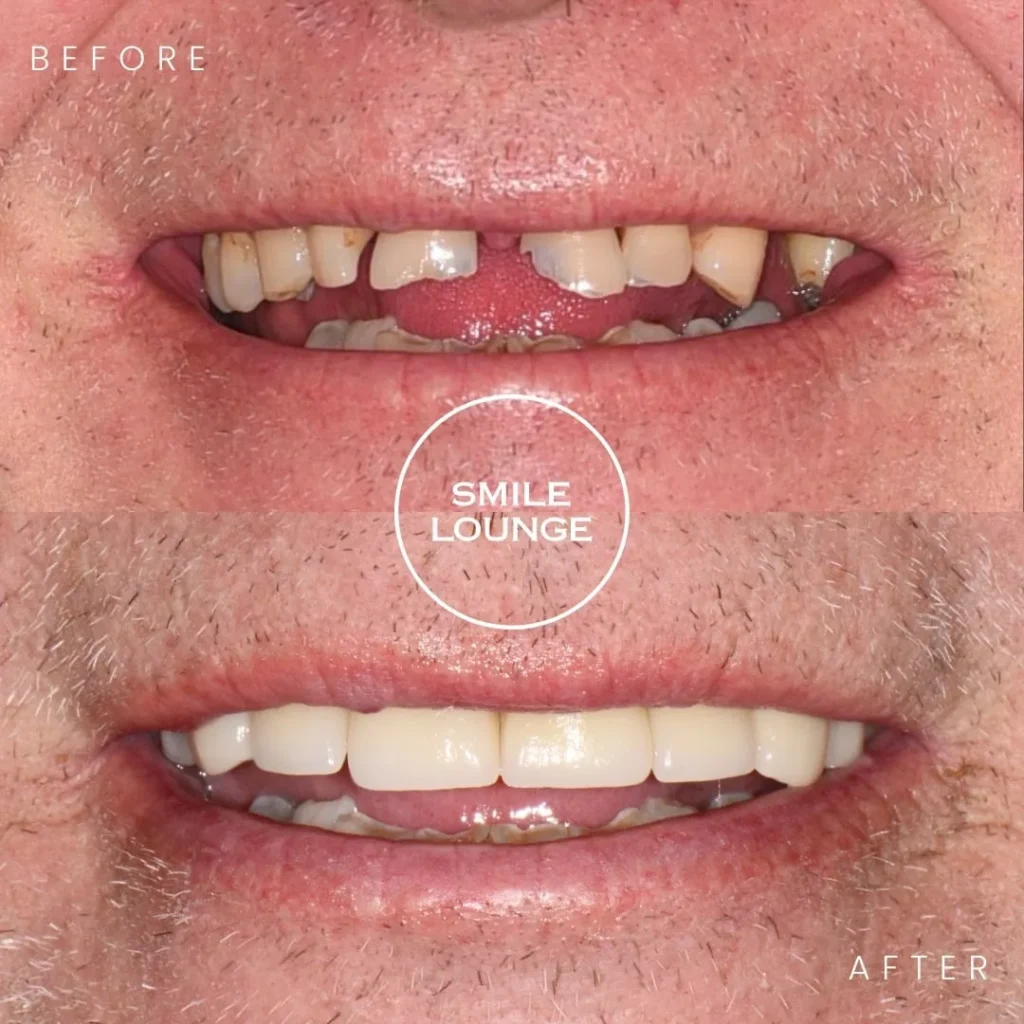
- Anterior Tooth Wear:Severe attrition and structural damage to anterior dentition due to altered occlusal forces
- Functional Impairment:Compromised chewing ability affecting dietary choices and nutritional intake
- Dental Anxiety:History of dental avoidance contributing to progressive deterioration
- Occlusal Collapse:Loss of posterior support resulting in altered bite relationships and TMJ stress
The primary clinical objective was to restore complete oral function through strategic crown and bridge placement while re-establishing proper occlusal relationships and posterior support.
Treatment Plan & Clinical Process
A comprehensive restorative approach was developed to address both anterior rehabilitation and posterior replacement with emphasis on occlusal stability.
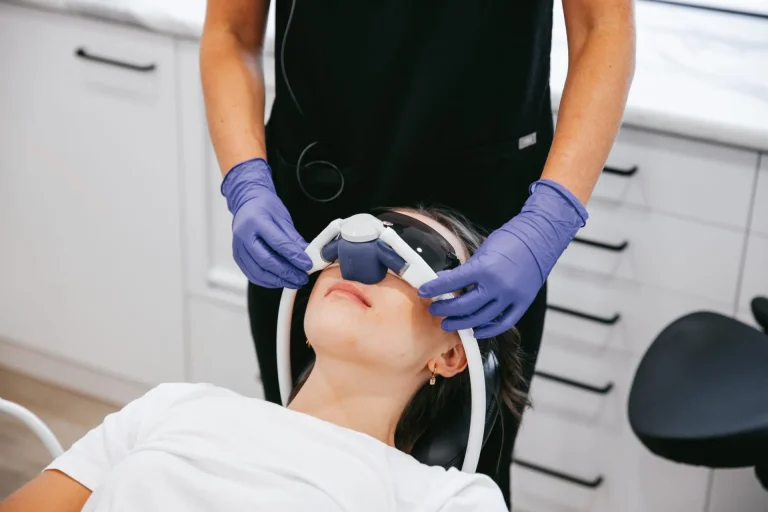
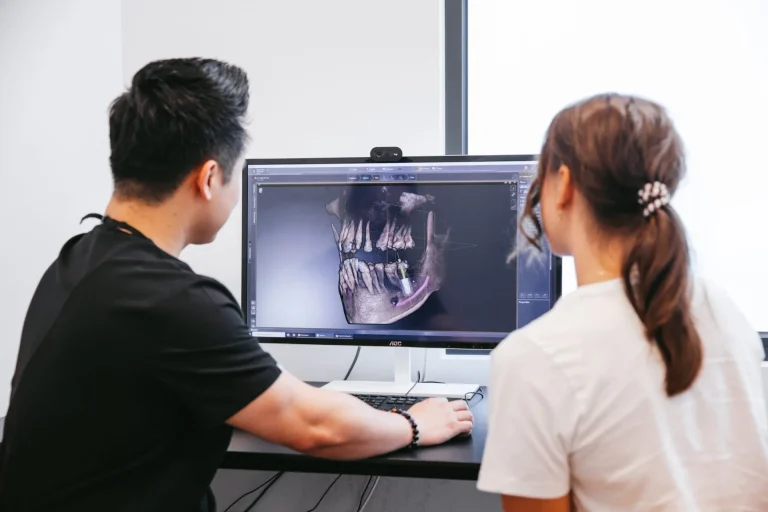
- Phase 1: Assessment and Anxiety Management:Treatment commenced with thorough clinical and radiographic evaluation to assess remaining tooth structure and bone support. Patient comfort protocols were established to address dental anxiety and ensure treatment compliance. Occlusal analysis determined optimal vertical dimension and jaw relationships for restorative planning.
- Phase 2: Anterior Restoration:Porcelain crowns were fabricated for severely worn anterior teeth following conservative preparation techniques. Crown design restored optimal tooth length, contour, and occlusal relationships while preserving maximum remaining tooth structure. Temporary restorations maintained function and aesthetics during fabrication period.
- Phase 3: Posterior Reconstruction:Porcelain bridges were designed and placed to replace missing posterior teeth, utilizing remaining healthy teeth as abutments. Bridge design restored proper occlusal contacts and chewing function while distributing forces appropriately across the dental arch.
Clinical Outcome
The implemented crown and bridge protocol successfully restored comprehensive oral function and occlusal stability. Anterior crowns reinforced compromised tooth structure while re-establishing proper incisal guidance. Posterior bridges restored masticatory function and provided essential posterior support, reducing stress on anterior teeth. The treatment achieved balanced occlusion with improved force distribution throughout the dental arches. Patient comfort protocols successfully managed dental anxiety, enabling completion of comprehensive treatment. Outcomes depend on individual patient characteristics, remaining bone support, oral hygiene maintenance, dietary habits, and compliance with regular maintenance appointments. Long-term success requires ongoing professional care and potential future maintenance or replacement of restorations. Individual responses and results vary, and outcomes experienced by one patient do not necessarily reflect results others may experience.
Frequently Asked Questions for Beaconsfield Patients
What is the typical lifespan for porcelain crowns and bridges in comprehensive restorative cases?
Porcelain crown and bridge longevity varies based on individual factors including bite forces, oral hygiene, dietary habits, and underlying tooth condition. Well-maintained restorations typically function 10-15 years, with some lasting significantly longer. Complex cases involving extensive reconstruction may require periodic maintenance or replacement over time. Regular professional monitoring, optimal oral hygiene, and protective measures (such as nightguards for bruxism) can maximize restoration lifespan.
How does posterior tooth loss affect anterior teeth and overall oral function?
Posterior tooth loss creates altered force distribution, placing excessive stress on remaining anterior teeth. This often results in accelerated wear, mobility, and potential tooth loss. Loss of posterior support can also cause changes in facial height, TMJ dysfunction, and compromised nutritional intake due to reduced chewing efficiency. Early replacement of posterior teeth through bridges or implants helps prevent these cascading effects and preserves remaining dentition.
What options are available for patients with dental anxiety requiring extensive restorative work?
Multiple anxiety management options are available including conscious sedation, nitrous oxide, oral sedation medications, and comprehensive comfort protocols. Treatment can often be staged to allow gradual adaptation and confidence building. Communication strategies, relaxation techniques, and detailed treatment explanation help reduce anxiety. Some patients benefit from referral to dental anxiety specialists or psychologists specializing in dental phobias before beginning extensive treatment.