Dental Implants in Narre Warren
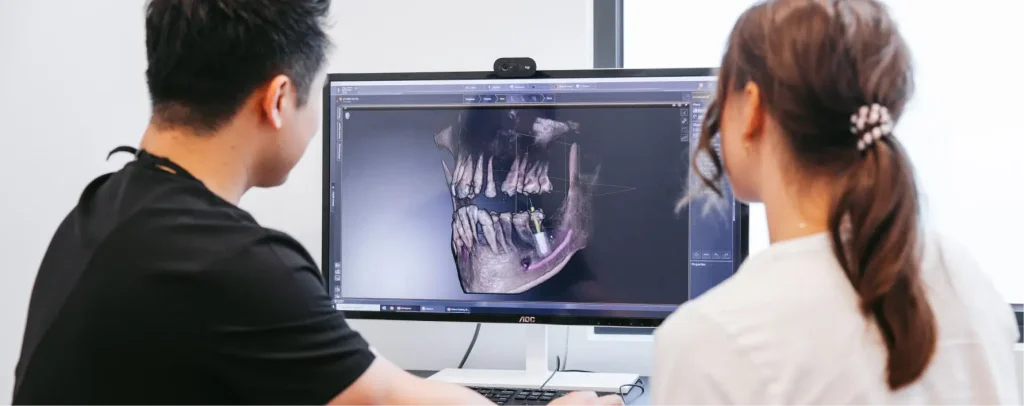
Missing a tooth can affect how you eat, speak, and feel day to day.
Dental implants offer a durable and natural-looking option for replacing missing teeth, restoring both functionality and aesthetics. By mimicking the structure of natural teeth, implants provide a secure foundation for chewing, speaking, and smiling with greater ease.
At Smile Lounge in South East Melbourne, we combine advanced technology with tailored care to help each dental implant blend naturally into your smile.
The Foundation of a Complete Smile
Dental implants are titanium posts surgically placed into the jawbone to replace the roots of missing teeth. These posts act as a stable foundation for crowns, bridges, or dentures, designed for long-lasting results.
Over time, the implants fuse with the bone through a process called osseointegration, which provides exceptional stability and mimics the feel of natural teeth. Whether replacing a single tooth, multiple teeth, or a full arch, dental implants are a versatile treatment designed to support both form and function.
Who May Benefit from Dental Implants?
Dental implants may be suitable for patients who:
- Have one or more missing teeth.
- Struggle with ill-fitting dentures or bridges.
- Want a fixed, durable alternative to removable dentures.
- Have adequate bone density to support implants (or are open to bone grafting if needed).
- Seek a long-term option that looks and feels natural.
If you’re ready to restore your smile, dental implants may be a suitable option for you.
What Should You Know About Your Path to a Fully Restored Smile?
The dental implant process at Smile Lounge is structured and personalised. Here’s what to expect:
1. Consultation & Treatment Planning
We’ll begin with a detailed evaluation of your oral health, including digital scans and imaging to assess bone structure. This helps us create a customised treatment plan tailored to your needs.
2. Implant Placement
Using advanced techniques, our team will place the titanium implants into your jawbone. At our Narre Warren dental implants clinic, this procedure is performed under local anaesthesia or general anaesthesia to support your comfort.
3. Healing & Osseointegration
Over the next 3–6 months, the implants will fuse with your jawbone, creating a stable foundation for your new teeth. During this time, temporary restorations may be provided to maintain functionality and aesthetics.
4. Customised Restoration
Once the implants are fully integrated, we’ll attach your custom-made crown, bridge, or denture. These restorations are designed to blend naturally with your natural teeth for a functional and natural-looking smile.
Access Superannuation Fund To Fund Your Treatment
We understand that the financial side of dental treatment can feel overwhelming. That’s why we’re here to help you explore the option of accessing your superannuation to fund necessary care. Many of our patients have successfully used this pathway, and we’re ready to guide though every step, so you can move forward with comfort, clarity, and confidence.
 Learn More
“With dental implants, we aim for a durable, natural-looking result that feels and functions much like your own teeth.”

Smile Gallery
Browse our Smile Gallery to discover real patient cases and the artistry behind every smile we craft.
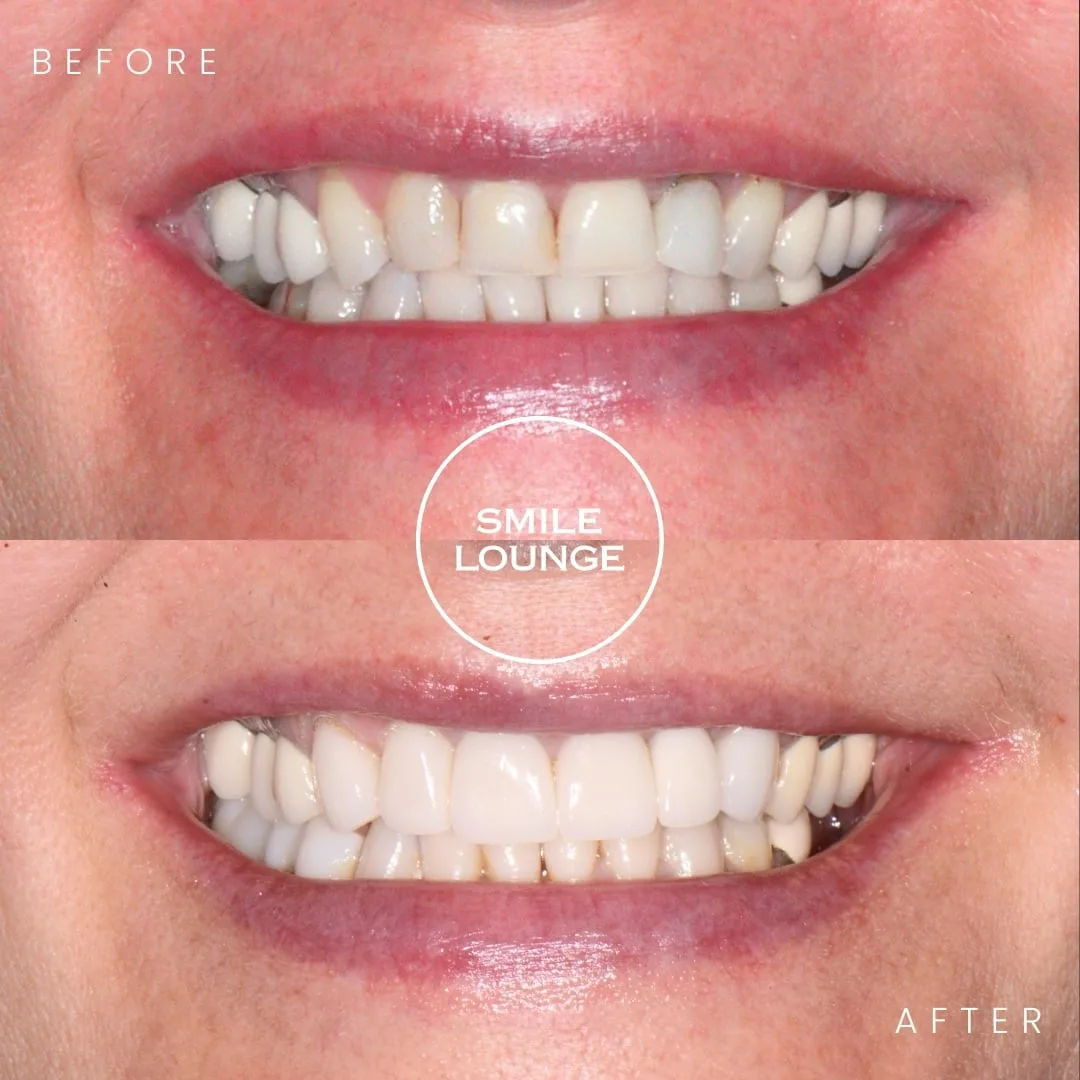
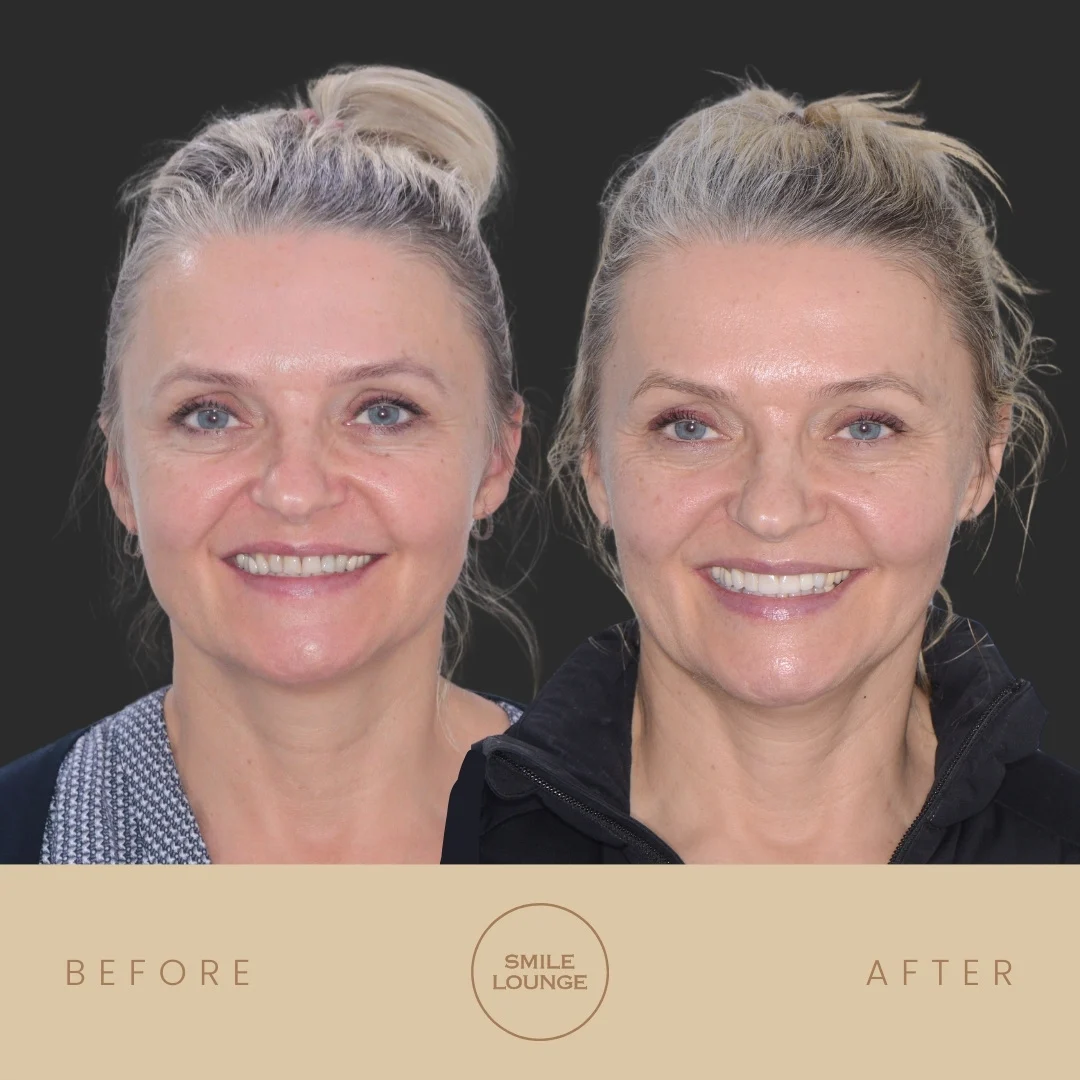
Warning: The ‘before’ and ‘after’ images shown are of a real patient of our clinic. These images are for illustrative purposes only and do not represent the results that all patients can expect. Results vary depending on individual circumstances, and all surgical and cosmetic procedures carry risks.
Luxury With Transparency
Download our price list to explore transparent pricing for the art of modern dental care.
Risks & Recovery
Dental implants are a long-term option for replacing missing teeth, but they involve surgery and carry specific risks and recovery considerations.
Possible risks include:
- Swelling, bruising or discomfort after surgery
- Minor bleeding during the initial healing period
- Infection at the implant site, though uncommon
- Risk of implant failure if integration with the bone does not occur
- Nerve injury or sinus involvement, depending on implant placement
Recovery considerations:
- Initial healing generally takes one to two weeks
- Osseointegration, where the implant fuses with bone, can take several months
- A soft diet is often recommended during early healing
- Regular reviews in our Narre Warren clinic and good oral hygiene are important for long-term success
FAQs
Who is a suitable candidate for dental implants?
Dental implants may be suitable for individuals with good overall oral health and adequate bone density to support the implant. Patients should have healthy gums and be free from untreated conditions like gum disease, as these can impact implant success.
If bone loss has occurred, procedures like bone grafting or sinus lifts can help prepare the jaw’s foundation for implants. Dental implants may also be suitable for patients who want a fixed, natural-looking option for missing teeth and are committed to maintaining oral hygiene for long-term results. Our team will assess your suitability during a detailed consultation.
Can dental implants restore face shape?
Dental implants may play a role in supporting facial structure. Missing teeth can lead to bone loss in the jaw, which may cause a sunken appearance over time. By mimicking natural tooth roots, implants stimulate the jawbone and may help prevent further bone deterioration. This can help maintain the structure of your face and preserve facial balance. Whether replacing a single tooth or an entire arch, implants provide support for your facial features while restoring functionality and aesthetics.
Can you get an implant years after extraction?
It may be possible to get a dental implant even years after a tooth has been extracted. Over time, however, the jawbone at the extraction site may shrink or weaken, making it necessary to strengthen the area with bone grafting or other preparatory procedures.
Advances in implant technology have made it possible to address these challenges effectively, aiming for a strong foundation for the implant. Our team uses advanced imaging to evaluate the condition of your jawbone and create a customised plan to achieve the most appropriate outcome, no matter how much time has passed since the extraction.
What is the recovery time after implant surgery?
Most patients return to light activities within a few days. Swelling, bruising, and tenderness are normal and gradually improve, but full healing can take several months.
Expertise You Can Trust
Comprehensive Care Under One Roof
Where Chic
Meets Comfort
When you choose Smile Lounge, you’re stepping into a space where luxury meets innovation. At Smile Lounge, we elevate every aspect of your dental experience to reflect the standard of care you can expect.
Payment Plans Made Simple
At Smile Lounge, we understand the value of flexible payment plans. Our payment options make it easy for you to focus on what matters most: your care.



Effortless care tailored to your needs.
You Might Also Like
Discover related services to Dental Implants

All-Teeth-On-4
Led by Dr Claudia, this innovative treatment combines efficiency and artistry to create a complete smile transformation and function restoration.
Same Day Crowns
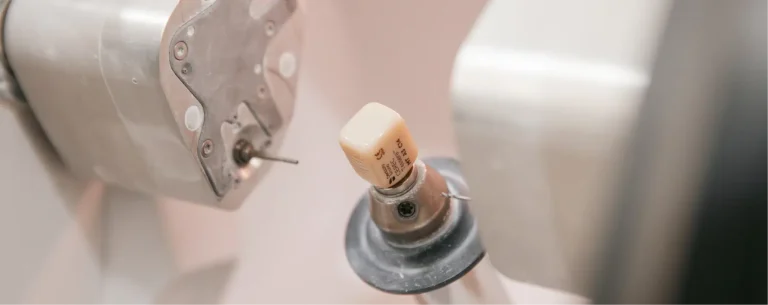
Same-day CEREC crowns at Smile Lounge in Narre Warren, Melbourne — designed, milled and placed in one visit with PrimeScan and PrimeMill technology.

Dental Crowns and Bridges
Dental crowns and bridges at Smile Lounge in Narre Warren, Melbourne — custom-made restorations that repair damaged teeth and replace missing ones.
Dentures
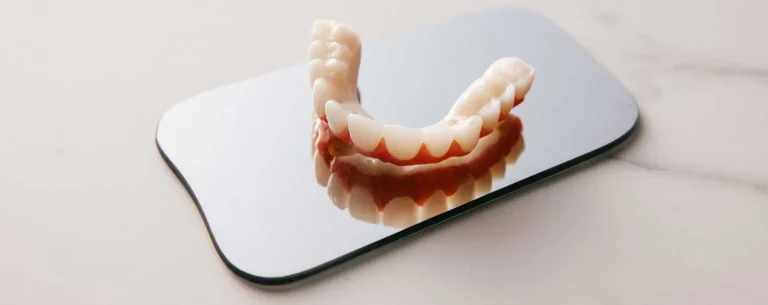
Custom full and partial dentures at Smile Lounge in Narre Warren, Melbourne — comfortable, natural-looking restorations that help you eat, speak and smile again.
Secure Your Smile with Dental Implants
Dental implants at Smile Lounge offer a reliable, long-lasting treatment for missing teeth, restoring both functionality and aesthetics. Our team combines precision and care to deliver results that feel natural and blend naturally with your existing teeth.
Call us at (03) 8820 1115 or complete our booking form to schedule your consultation. Let’s discuss whether dental implants are right for you.
DISCLAIMER: The material posted is for informational purposes only and is not intended to substitute for professional medical advice, diagnosis or treatment. Results vary with each patient. Any dental procedure carries risks and benefits. If you have any specific questions about any dental and/or medical matter, you should consult your dentist, physician or other professional healthcare providers.
*Subject to approval, eligibility criteria, terms and conditions. Final repayment price may vary based on individual treatment plan and duration.