Dental Extraction
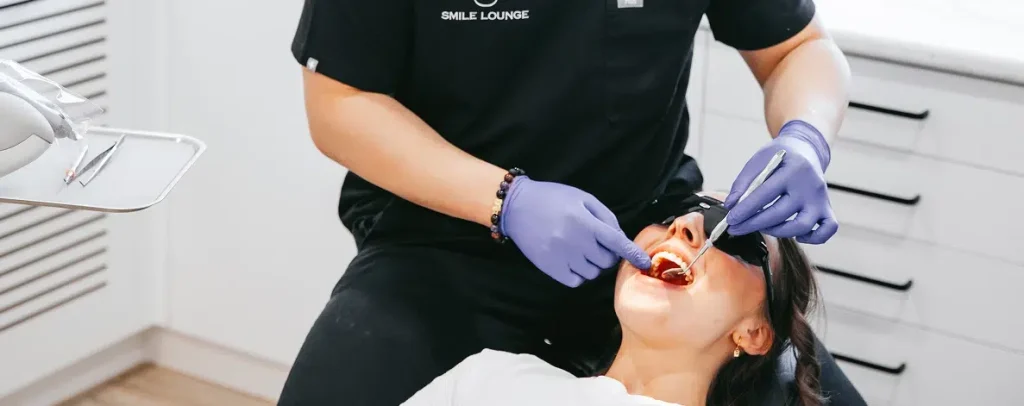
What happens when saving a tooth is no longer an option?
While extractions are never the first choice, they can be an effective way to protect your oral health when a tooth is severely damaged, decayed, or impacted.
We make the process as smooth and comfortable as possible at Smile Lounge in Narre Warren, South East Melbourne by using advanced techniques so your care is thorough and attentive.
Understanding Dental Extractions
Sometimes, a tooth is like a guest at a crowded party—it simply doesn’t belong anymore and starts causing trouble for everyone else. Whether it’s a tooth that’s too damaged to save, a wisdom tooth overstaying its welcome, or one crowding its neighbours, the right option is to kindly show it the door.
Our team at Smile Lounge ensures the process is gentle and smooth. With precision and care, we make sure the rest of your smile stays happy, healthy, and ready to shine.
Who Might Need a Dental Extraction?
A dental extraction might be the right option for:
- Teeth with Advanced Decay: When damage is too extensive for restoration.
- Wisdom Teeth: Impacted or causing pain and crowding.
- Orthodontic Preparation: Removing teeth to create space for alignment.
- Infections or Trauma: When other treatments can’t save the tooth.
Our team performs a thorough assessment to ensure extraction is the right option for your oral health, with alternatives explored whenever possible.
Your Tooth’s Farewell Journey
We’re committed to making your dental extraction journey smooth and comfortable. Here’s what to expect:
1. Comprehensive Evaluation
We’ll assess the tooth and surrounding area with X-rays to create a personalised treatment plan.
2. Comfort-Focused Preparation
Comfort is our priority, with local anaesthesia or sedation options available to suit your needs.
3. Careful Extraction
Using advanced techniques, the tooth is gently removed with minimal impact on the surrounding tissue.
4. Recovery Guidance
You’ll receive personalised aftercare instructions to promote healing and manage discomfort, along with follow-up care if needed.
Access Superannuation Fund To Fund Your Treatment
We understand that the financial side of dental treatment can feel overwhelming. That’s why we’re here to help you explore the option of accessing your superannuation to fund necessary care. Many of our patients have successfully used this pathway, and we’re ready to guide though every step, so you can move forward with comfort, clarity, and confidence.
 Learn More
“From start to finish, our team is here to support you, aiming to make the experience as gentle and efficient as possible.”

Luxury With Transparency
Download our price list to explore transparent pricing for the art of modern dental care.
Risks & Recovery
Dental extractions are sometimes necessary to protect overall oral health, but they involve risks and recovery considerations.
Possible risks include:
- Pain, swelling or bruising after the procedure
- Minor bleeding during the initial healing period
- Risk of infection at the extraction site
- Dry socket, where the blood clot dislodges and delays healing
- Nerve injury, depending on the location of the tooth
Recovery considerations:
- Initial healing usually occurs within one to two weeks
- Rest and avoiding strenuous activity for the first 24 hours can support recovery
- Soft foods and gentle oral hygiene are recommended in the early days
- Following aftercare instructions helps reduce the risk of complications
FAQs
Will the extraction procedure be painful?
Pain management is one of our top priorities during a dental extraction. Before the procedure begins, a local anaesthetic is administered to numb the area completely.
If you’re feeling particularly anxious or if the extraction is more complex, we also offer sedation options, including general anaesthesia in our dedicated facility. While you may feel some pressure during the extraction, discomfort is effectively minimised.
Post-procedure, we provide clear aftercare instructions and may recommend over-the-counter or prescription pain relief to support a smooth and comfortable recovery.
How long does it take to heal after a dental extraction?
Healing time can vary depending on the complexity of the extraction, but most patients notice significant improvement within a few days. Swelling and tenderness are normal in the first 24–48 hours and can be managed with cold compresses and rest.
For more complex extractions, like impacted wisdom teeth, recovery may take up to two weeks. Following our aftercare tips—such as eating soft foods, avoiding smoking, and maintaining gentle oral hygiene—will help support the process and reduce the risk of complications like dry socket.
What happens if I don’t replace an extracted tooth?
Leaving a gap after an extraction can lead to long-term issues. Neighbouring teeth may start shifting into the empty space, causing misalignment, changes in your bite, and even difficulty chewing. Over time, the bone in the area can deteriorate due to lack of stimulation from a tooth root, potentially affecting your jawline structure.
To prevent these issues, we recommend discussing replacement options, such as dental implants, bridges, or dentures. Our team will guide you through the options to find a suitable choice for your lifestyle and budget.
What are the main risks after a tooth extraction?
The most common risks are swelling, bleeding, infection, and dry socket. Following your dentist’s aftercare instructions helps reduce these risks.
Expertise You Can Trust
Comprehensive Care Under One Roof
Where Chic
Meets Comfort
When you choose Smile Lounge, you’re stepping into a space where luxury meets innovation. At Smile Lounge, we elevate every aspect of your dental experience to reflect the standard of care you can expect.
Payment Plans Made Simple
At Smile Lounge, we understand the value of flexible payment plans. Our payment options make it easy for you to focus on what matters most: your care.



Effortless care tailored to your needs.
You Might Also Like
Discover related services to Dental Extraction
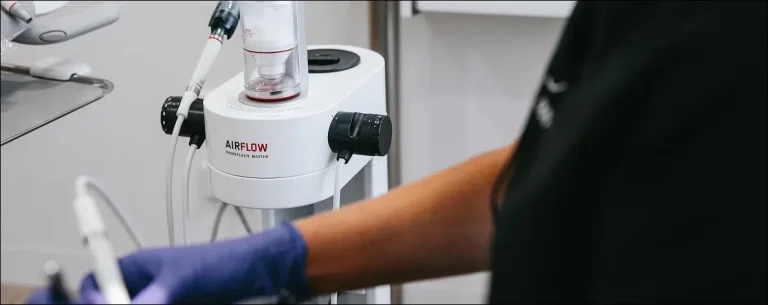
Airflow® Clean
AIRFLOW® Clean at Smile Lounge in Narre Warren, Melbourne — a gentle air, water and powder polish that removes plaque and stains above and below the gumline.

Children’s Dentistry
Gentle children’s dentistry at Smile Lounge in Narre Warren, Melbourne — from first tooth to teens, with Medicare CDBS bulk-billing for eligible families.
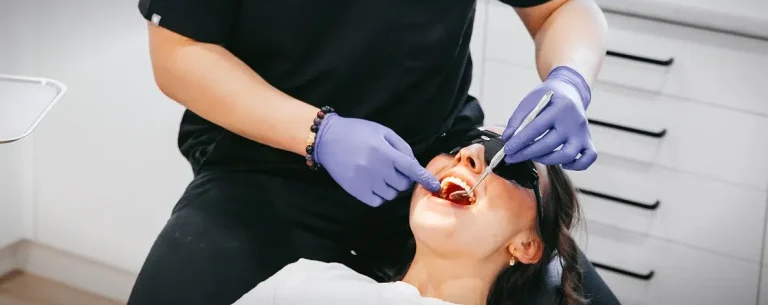
Dental Examination
Comprehensive dental examinations at Smile Lounge in Narre Warren, Melbourne — visual checks, X-rays and digital imaging to catch issues early and keep smiles healthy.

Mouthguards
Custom-fitted sports and night mouthguards at Smile Lounge in Narre Warren, Melbourne — comfortable, durable protection for sport, bruxism grinding and TMJ.
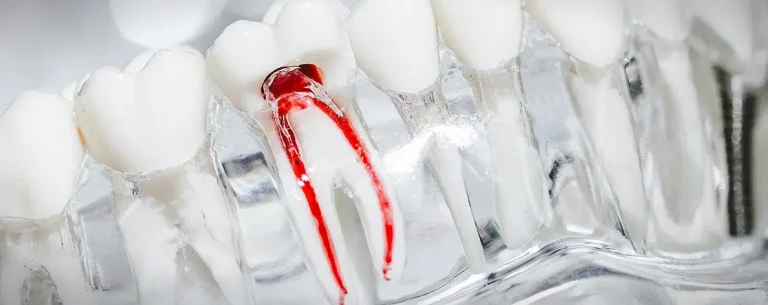
Root Canal Treatment
Save your natural tooth with gentle root canal treatment at Smile Lounge in Narre Warren — relieving infection and pain to protect your smile.

TMJD
TMJD (jaw joint) treatment at Smile Lounge in Narre Warren, Melbourne — personalised care from nightguards and physical therapy to orthodontics for jaw pain relief.
Prioritise Your Oral Health With Attentive Care
When a dental extraction becomes necessary, our experienced team is here to make the process as comfortable and reassuring as possible. Whether you’re managing pain, preparing for orthodontics, or addressing a dental concern, we’re here to guide you every step of the way. Fill out the booking form or call us at (03) 8820 1115 to schedule your consultation today.
DISCLAIMER: The material posted is for informational purposes only and is not intended to substitute for professional medical advice, diagnosis or treatment. Results vary with each patient. Any dental procedure carries risks and benefits. If you have any specific questions about any dental and/or medical matter, you should consult your dentist, physician or other professional healthcare providers.
*Subject to approval, eligibility criteria, terms and conditions. Final repayment price may vary based on individual treatment plan and duration.