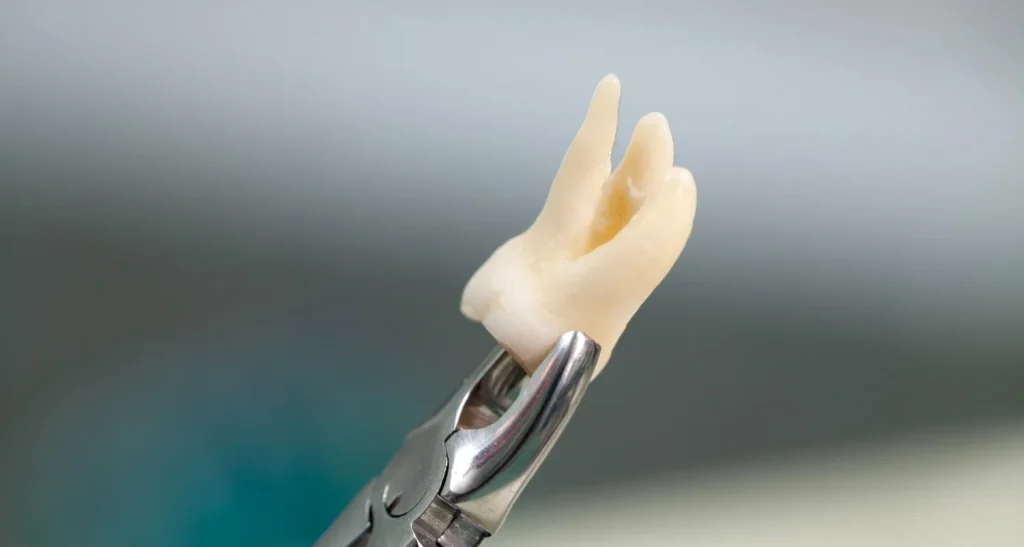
Many patients are surprised when their dentist recommends wisdom teeth removal despite experiencing no current discomfort. This preventative approach to wisdom tooth extraction has become common practice, though the decision requires careful clinical assessment of individual circumstances.
Understanding when and why preventative wisdom tooth extraction might be recommended can help you make informed decisions about your oral health. While not all wisdom teeth require removal, certain clinical findings may indicate that early intervention could prevent future complications.
At Smile Lounge, we evaluate each patient’s unique situation, considering factors such as jaw space, tooth positioning, and oral hygiene accessibility before making extraction recommendations. Let’s examine the clinical considerations that may lead to preventative wisdom tooth extraction recommendations.
Understanding Wisdom Tooth Development
Wisdom teeth, technically known as third molars, typically emerge between ages 17-25. These are the last teeth to develop, appearing long after the other permanent teeth have established their positions. About 35% of people don’t develop wisdom teeth at all, which may reflect evolutionary changes in jaw size and dietary requirements.
Most people develop four wisdom teeth, though some may have fewer or occasionally more. The timing and manner of eruption varies significantly between individuals, with some wisdom teeth emerging normally while others become impacted or partially erupted.
Modern research suggests that many people’s jaws lack sufficient space to accommodate all 32 adult teeth comfortably. This size discrepancy between jaw capacity and tooth requirements forms the basis for many preventative extraction recommendations.
Clinical Indications for Preventative Extraction
Dental professionals may recommend preventative wisdom tooth extraction based on several clinical factors, even when patients experience no symptoms:
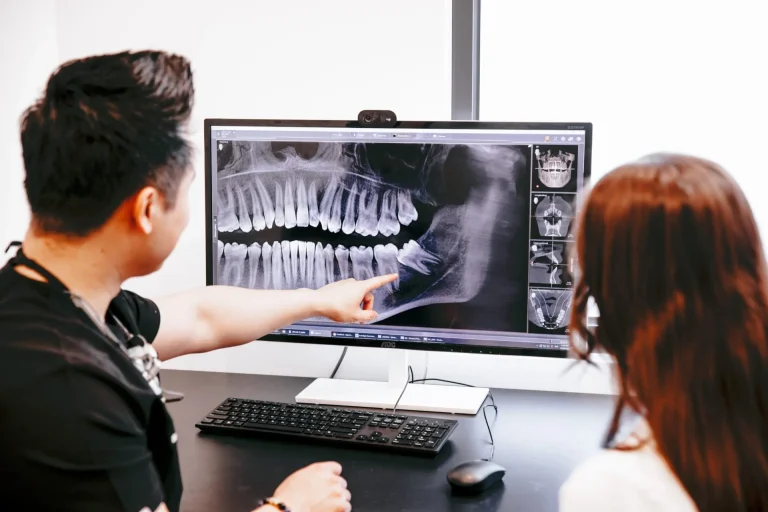
- INSUFFICIENT JAW SPACE X-ray analysis may reveal inadequate room for wisdom teeth to erupt properly. When space is limited, teeth may emerge at angles, partially erupt, or remain completely impacted beneath the gum tissue.
- DIFFICULTY MAINTAINING ORAL HYGIENE Wisdom teeth positioned at the back of the mouth can be challenging to clean effectively. Poor accessibility for brushing and flossing may increase the risk of decay and gum disease in both the wisdom teeth and adjacent teeth.
- IMPACTION PATTERNS Different types of impaction present varying risks. Horizontal impaction, where teeth grow sideways, or angular impaction against adjacent teeth may warrant preventative removal to avoid future complications.
- ORTHODONTIC CONSIDERATIONS While wisdom teeth don’t typically cause crowding of front teeth, they may complicate orthodontic treatment planning or retention in certain cases.
Age-Related Treatment Considerations
The timing of preventative wisdom tooth extraction often relates to patient age and development stage. Younger patients, typically in their late teens to early twenties, may be considered better candidates for preventative extraction for several reasons.
Root development in younger patients is often incomplete, potentially making extraction less complex. Additionally, bone density tends to be lower in younger patients, which may facilitate easier removal and faster healing.
Recovery tends to be more straightforward in younger patients, with reduced risk of complications such as nerve injury or prolonged healing. However, age alone doesn’t determine treatment recommendations, and individual clinical factors remain primary considerations.
Long-term Risk Assessment
Preventative wisdom tooth extraction recommendations often consider potential future complications rather than current symptoms. Clinical studies indicate that certain positioning patterns are associated with higher risks of developing problems over time.
Partially erupted wisdom teeth may be prone to pericoronitis, a condition where bacteria accumulate under the gum flap covering the tooth. This can lead to recurring infections, pain, and swelling that may require multiple treatment episodes.
Wisdom teeth in hard-to-reach positions may be more susceptible to decay and gum disease. These conditions can affect not only the wisdom teeth themselves but also adjacent second molars, potentially compromising teeth that are important for chewing function.
Alternative Management Approaches
Not all wisdom teeth require extraction, even when positioned imperfectly. Alternative management strategies may be appropriate in certain situations:
- MONITORING AND MAINTENANCE Regular professional monitoring combined with enhanced home care may be sufficient for some patients. This approach requires commitment to excellent oral hygiene and regular dental examinations.
- MINOR SURGICAL PROCEDURES In some cases, minor procedures such as operculectomy (removal of gum tissue over a partially erupted tooth) may address specific issues without full extraction.
- CASE-BY-CASE ASSESSMENT Each situation requires individual evaluation considering factors such as patient age, overall oral health, ability to maintain hygiene, and specific positioning patterns.
Clinical Decision-Making Process
The recommendation for preventative wisdom tooth extraction involves comprehensive clinical assessment. This typically includes detailed oral examination, radiographic analysis, and consideration of patient-specific factors.
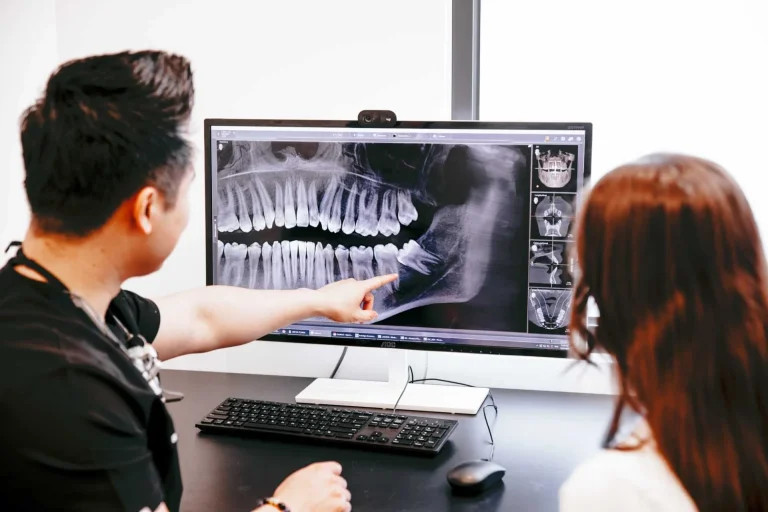
X-ray evaluation helps determine tooth position, root development, proximity to nerves and sinuses, and available space. This imaging is essential for accurate treatment planning and risk assessment.
Patient factors such as oral hygiene habits, medical history, and personal preferences are also considered. Some patients may prefer preventative extraction to avoid potential future problems, while others may choose monitoring until symptoms develop.
Treatment Planning and Preparation
When preventative wisdom tooth extraction is recommended, thorough treatment planning ensures optimal outcomes. This includes discussion of the procedure, anaesthetic options, recovery expectations, and potential risks.
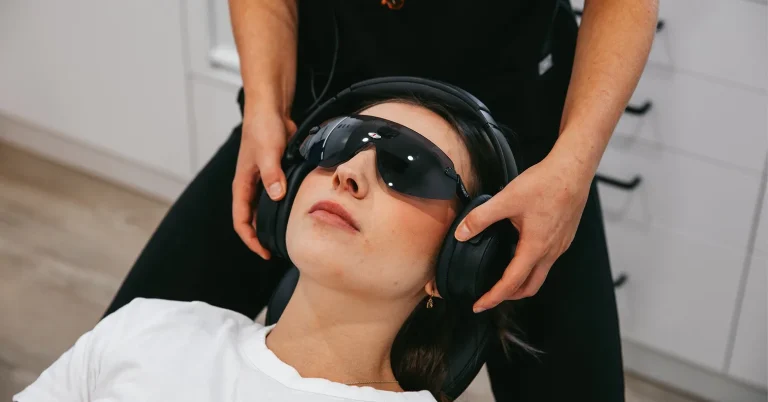
At Smile Lounge, we provide detailed pre-operative instructions and discuss sedation options when appropriate. For patients who experience anxiety about oral surgery, we offer general anaesthesia in our purpose-built facility to ensure comfort throughout the procedure.
Post-operative care instructions are provided before treatment, helping patients prepare for recovery and understand what to expect during healing.
Making Informed Decisions
The decision regarding preventative wisdom tooth extraction should be based on thorough discussion between patient and dentist, considering all relevant clinical factors. While preventative extraction may reduce future risks in some cases, it’s not universally necessary.
Patients should feel comfortable asking questions about the rationale for extraction recommendations, alternative approaches, and expected outcomes. Understanding the reasoning behind treatment recommendations helps ensure decisions align with individual preferences and circumstances.
At Smile Lounge, we’re committed to providing comprehensive information to help patients make informed decisions about their oral health. Our experienced team evaluates each case individually, considering both clinical findings and patient preferences.
Professional Assessment and Care
Located in Narre Warren, Smile Lounge provides thorough wisdom tooth evaluation using advanced diagnostic techniques. Our assessment process considers all relevant factors before making treatment recommendations, ensuring our suggestions are based on sound clinical evidence.
We understand that wisdom tooth extraction decisions can feel overwhelming, particularly when symptoms aren’t present. Our team takes time to explain findings, discuss options, and answer questions to help you feel confident about your treatment decisions.
Whether you’re experiencing wisdom tooth symptoms or seeking preventative assessment, we’re here to provide expert guidance based on your individual circumstances.
Ready to discuss your wisdom teeth and understand your options? Call us on (03) 8820 1115 or send us a message to schedule your comprehensive oral health assessment. Our team can evaluate your specific situation and provide personalised recommendations for your oral health needs.
Frequently Asked Questions
Why might preventative wisdom tooth extraction be recommended without symptoms?
Preventative extraction may be recommended when clinical assessment reveals factors that increase future complication risks, such as insufficient jaw space, impaction patterns, or difficulty maintaining oral hygiene. The goal is to address potential problems before they develop rather than waiting for symptoms to appear, particularly in younger patients where extraction may be less complex.
What factors determine whether wisdom teeth should be removed preventatively?
Multiple factors influence this decision, including available jaw space, tooth positioning and angulation, accessibility for cleaning, patient age, overall oral health, and individual risk factors. X-ray analysis helps assess these factors, while patient preferences and ability to maintain excellent oral hygiene are also considered in treatment planning.
Is there an ideal age for preventative wisdom tooth extraction?
While there’s no universal ideal age, many dentists consider the late teens to early twenties optimal for preventative extraction when clinically indicated. At this age, root development may be incomplete and bone density lower, potentially making extraction less complex and recovery faster. However, individual clinical factors remain more important than age alone in determining treatment recommendations.