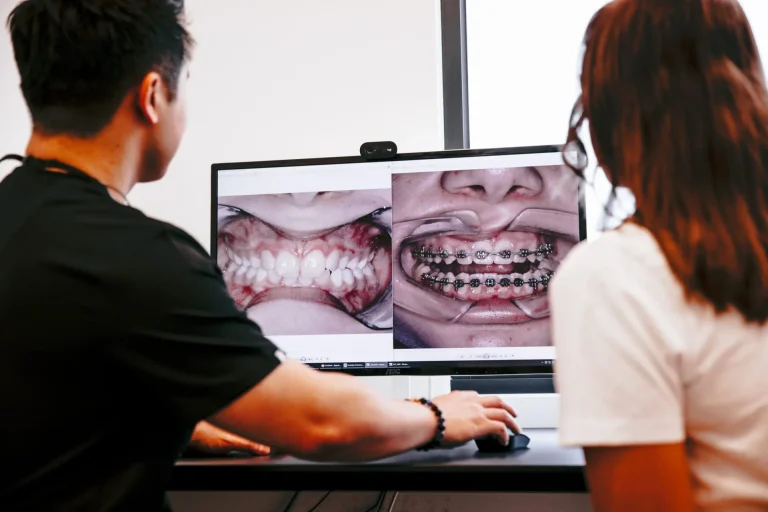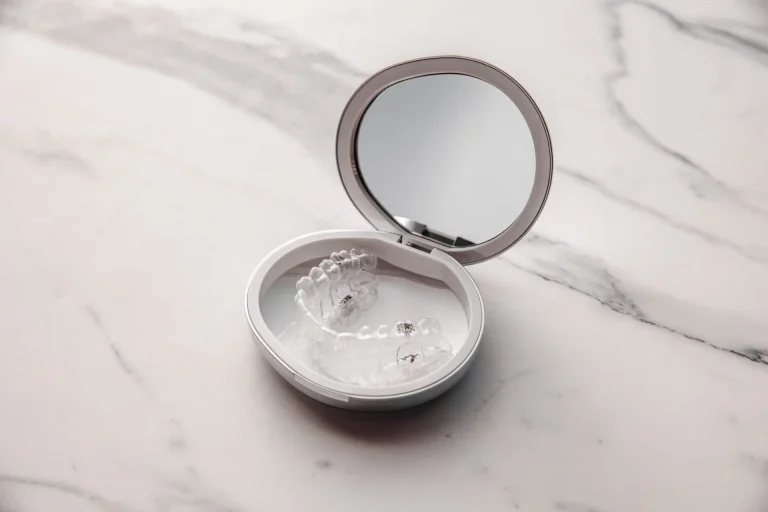

When considering orthodontic treatment options, understanding how each choice affects your daily routine becomes crucial for making an informed decision. Both Invisalign clear aligners and traditional braces can effectively address orthodontic concerns, but they offer distinctly different experiences in terms of comfort and lifestyle integration.
At Smile Lounge, we regularly discuss these practical considerations with patients weighing their treatment options. Understanding the daily realities of each approach helps ensure you choose the orthodontic solution that best suits your individual circumstances and lifestyle requirements.
Let’s examine the key differences between aligner comfort and traditional braces across various aspects of daily life, providing you with the factual information needed for your orthodontic treatment decision.
Understanding Aligner Comfort Technology
Invisalign aligners are crafted from smooth plastic material, designed to fit precisely along the gum line to minimise irritation. The clear aligners are custom-made based on digital impressions of your teeth, creating a precise fit that gradually applies controlled pressure to guide tooth movement.
Research indicates that Invisalign aligners are generally associated with less discomfort compared to traditional braces. The smooth plastic construction eliminates the potential for bracket and wire irritation that can occur with fixed appliances, though patients may experience mild pressure sensations as teeth adjust to each new aligner set.
Traditional braces utilise metal or ceramic brackets bonded to teeth, connected by wires that are periodically adjusted to direct tooth movement. While effective for comprehensive orthodontic treatment, the fixed nature of these components can initially cause soft tissue irritation until patients adapt to their presence.
Daily Eating and Dietary Considerations
One of the most significant practical differences relates to eating habits. Traditional braces require avoiding certain foods like nuts, popcorn, caramel, and corn on the cob to prevent damage to brackets and wires.
Invisalign aligners offer greater dietary flexibility since they are removed during meals, allowing patients to continue eating their preferred foods. However, aligners must be worn for 20-22 hours daily to maintain treatment effectiveness, requiring discipline to ensure consistent wear time between meals.
Oral Hygiene and Social Considerations
Daily oral care varies considerably between these options. Traditional braces require additional time and specialised tools for thorough cleaning, as food particles can become trapped around brackets and wires.
Invisalign aligners are removed for brushing and flossing, allowing patients to maintain regular oral hygiene routines. However, aligners require daily cleaning, and patients must brush after meals before reinserting aligners.
Regarding aesthetics, traditional metal braces are visible during speaking and smiling, though ceramic brackets offer a less noticeable alternative. Invisalign aligners are virtually invisible, making them difficult to detect during normal social and professional interactions.
Treatment Compliance and Responsibility
The level of patient responsibility differs significantly between these orthodontic approaches. Traditional braces work continuously once placed, requiring periodic appointments for wire adjustments but minimal daily patient intervention beyond proper oral hygiene.
Aligner comfort comes with increased patient responsibility for treatment success. Invisalign aligners must be worn consistently for the prescribed duration, removed only for eating and oral hygiene. Treatment effectiveness depends heavily on patient compliance with wearing schedules and proper aligner care.
Lost or damaged aligners can impact treatment timelines with Invisalign, while broken brackets or wires with traditional braces typically require prompt professional attention to maintain treatment progress.
Activity and Lifestyle Integration
Physical activities and sports participation may be influenced by your orthodontic treatment choice. Traditional braces may require protective mouthguards during contact sports to prevent injury to soft tissues from brackets and wires.
Invisalign aligners can be removed for sports activities, though this requires discipline to resume wearing immediately afterwards. Some patients prefer keeping aligners in place during non-contact activities to maintain consistent wear time.
Musical instrument playing, particularly wind instruments, may require adjustment periods with both treatment options. Traditional braces may initially affect embouchure, while Invisalign aligners can be removed for practice sessions if necessary, though this should be minimised.
Clinical Appointments and Time Commitment
The frequency and nature of orthodontic appointments vary between treatment types. Traditional braces typically require appointments every 4-6 weeks for wire adjustments and progress monitoring. These appointments may involve some discomfort as adjustments are made.
Invisalign treatment often involves appointments every 6-8 weeks to monitor progress and receive new aligner sets. According to research, Invisalign patients require approximately 30% fewer office visits compared to traditional braces, potentially reducing time away from work or school.
Emergency appointments may be necessary with traditional braces if brackets become loose or wires break. Invisalign treatment generally involves fewer urgent issues, though lost aligners may require replacement and could affect treatment timelines.
Making an Informed Treatment Decision
Both Invisalign and traditional braces can effectively address various orthodontic concerns when used appropriately. The choice between treatments should consider your specific clinical needs, lifestyle requirements, and personal preferences regarding daily management.
Traditional braces may be recommended for complex orthodontic cases requiring precise control of tooth movement. They offer consistent treatment progression without relying on patient compliance for effectiveness, making them suitable for patients who prefer a “set-and-forget” approach.
Invisalign aligners may be appropriate for mild to moderate orthodontic concerns in patients who prioritise aesthetic considerations and are committed to consistent aligner wear. The removable nature offers flexibility for special occasions while requiring increased personal responsibility for treatment success.
Professional Assessment and Support
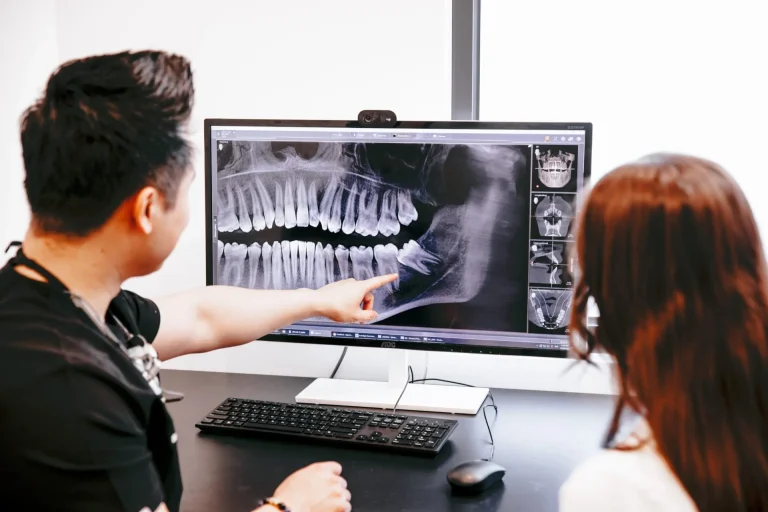
At Smile Lounge, we evaluate each patient’s orthodontic needs, lifestyle considerations, and treatment goals to recommend the most appropriate option. A thorough clinical examination helps determine which orthodontic approach best addresses your specific situation.
Located in Narre Warren, our experienced team provides comprehensive support throughout your treatment journey, offering detailed instructions for daily care and regular monitoring to ensure optimal outcomes. For patients who experience anxiety about orthodontic treatment, we offer general anaesthesia options for certain procedures.
Ready to explore your orthodontic treatment options? Call us on (03) 8820 1115 or send us a message to schedule your comprehensive orthodontic consultation. Our team can assess your individual needs and provide detailed information about treatment options appropriate for your circumstances.
Frequently Asked Questions
How does the initial discomfort compare between Invisalign and traditional braces?
Traditional braces may cause initial irritation from brackets and wires against soft tissues, typically resolving as patients adapt. Invisalign aligners generally cause less soft tissue irritation but may create mild pressure sensations when transitioning to new aligners. Both sensations are normal parts of orthodontic treatment and typically subside within a few days.
Can I maintain my normal eating habits with either treatment option?
Traditional braces require avoiding certain foods that could damage brackets or wires, including hard, sticky, or chewy items. Invisalign aligners are removed for eating, allowing normal dietary choices, though aligners must be worn 20-22 hours daily for effective treatment. Both approaches require excellent oral hygiene after meals.
How do cleaning routines differ between these treatment options?
Traditional braces require specialised cleaning tools and techniques to clean around brackets and wires effectively, often extending daily oral hygiene time. Invisalign aligners are removed for normal brushing and flossing, though the aligners themselves need daily cleaning. Both approaches require diligent oral hygiene to maintain dental health during treatment.