Can Invisalign clear aligners effectively close diastemas and correct mild misalignment in Cranbourne North?
Case Note ID:Nov-2024-INV
Location:Smile Lounge (serving the Cranbourne North area)
Primary Treatments:Invisalign Clear Aligner Therapy
Supporting Technology:Digital Treatment Planning, Dental Monitoring Remote Tracking
Presenting Clinical Problem
A professional educator presented with anterior spacing concerns requiring orthodontic intervention with aesthetic and convenience considerations.
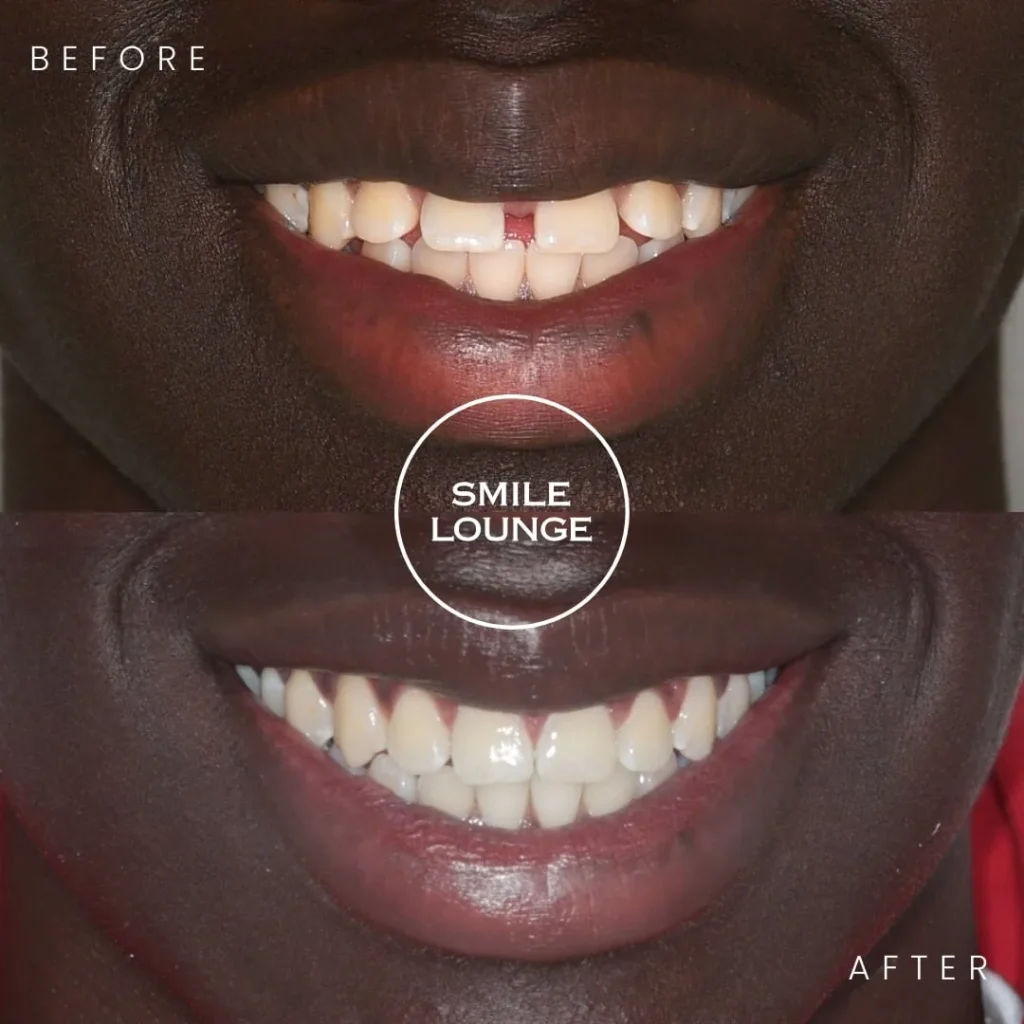
- Multiple Diastemas:Noticeable interdental spacing affecting anterior aesthetics
- Mild Malocclusion:Minor tooth malpositioning compromising smile harmony
- Aesthetic Concerns:Patient-perceived impact on professional appearance and confidence
- Treatment Preferences:Request for discreet orthodontic solution compatible with professional responsibilities
The primary clinical objective was to achieve space closure and optimal tooth alignment using minimally visible orthodontic appliances while maintaining normal daily activities.
Treatment Plan & Clinical Process
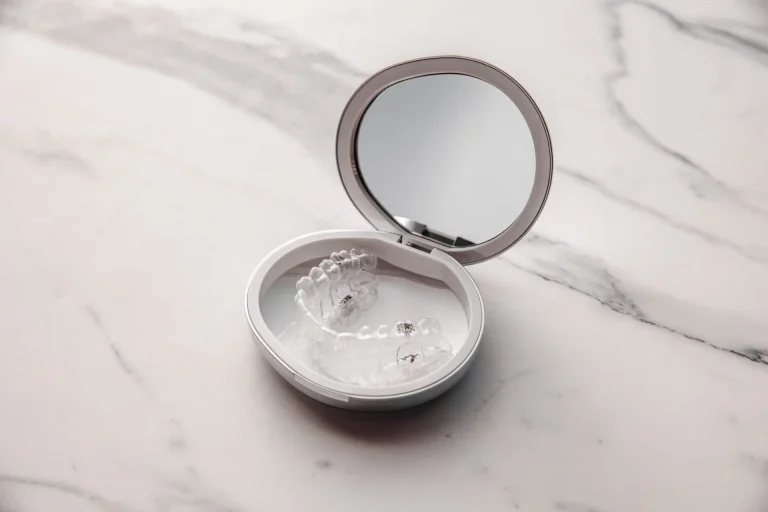
An 18-month clear aligner protocol was developed to address spacing and alignment concerns with remote monitoring capabilities for enhanced patient convenience.
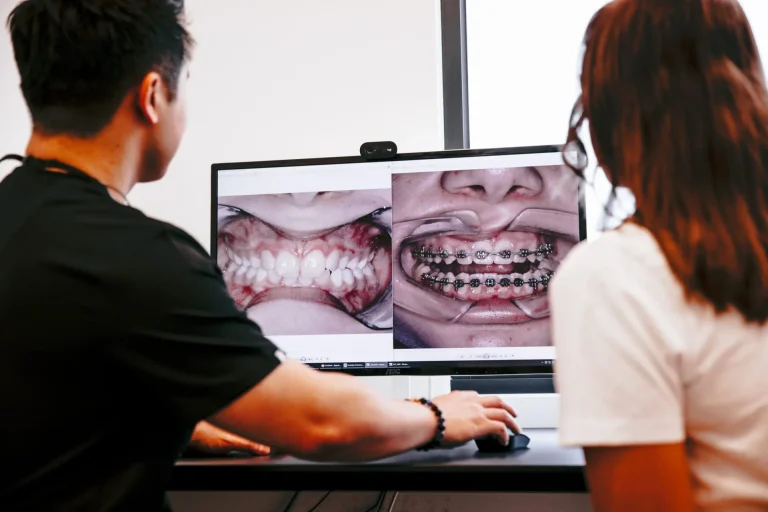
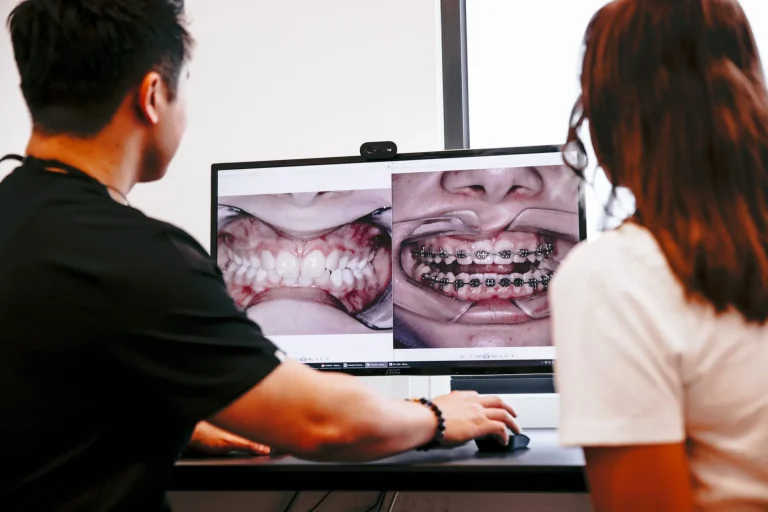
- Phase 1: Digital Treatment Planning:Treatment commenced with comprehensive digital scanning and 3D treatment simulation using Invisalign software. Predicted tooth movements were analyzed to determine optimal treatment duration and staging. Clear aligner series was customized based on individual tooth anatomy and movement requirements.
- Phase 2: Active Treatment with Remote Monitoring:Invisalign clear aligners were delivered with staged progression protocol. Dental Monitoring technology was implemented to enable remote progress tracking, reducing frequency of in-person appointments while maintaining treatment precision. This proved particularly valuable during pandemic-related restrictions, ensuring treatment continuity.
- Phase 3: Treatment Completion and Retention:Final aligner stages achieved planned tooth positions with space closure and alignment objectives met. Retention protocols were established to maintain treatment outcomes long-term.
Clinical Outcome
The implemented Invisalign protocol successfully achieved space closure and improved dental alignment within the predicted 18-month timeframe. Remote monitoring technology enabled consistent treatment progression despite external circumstances affecting routine appointments. The treatment restored anterior smile harmony while maintaining patient comfort and professional appearance throughout the process. Final positioning achieved optimal spacing closure and improved overall dental aesthetics.
Outcomes depend on individual patient characteristics, compliance with aligner wear protocols, oral hygiene maintenance, and adherence to retention requirements. Regular professional monitoring and follow-up care remain essential for long-term stability. Individual responses and results vary, and outcomes experienced by one patient do not necessarily reflect results others may experience.
Frequently Asked Questions for Cranbourne North Patients
What is the typical treatment duration for Invisalign diastema closure in the Cranbourne North area?
Invisalign treatment duration varies significantly based on individual spacing severity, number of teeth requiring movement, and complexity of alignment corrections needed. Simple space closure cases may require 6-12 months, while comprehensive alignment may extend 18-24 months. Compliance with recommended aligner wear (20-22 hours daily) directly impacts treatment timeline. Comprehensive consultation including digital treatment simulation is essential to provide accurate, individualized treatment duration estimates.
What are the advantages of Dental Monitoring technology during Invisalign treatment?
Dental Monitoring technology enables remote progress tracking through smartphone-based scanning, reducing in-person appointment frequency while maintaining treatment precision. This technology provides early detection of tracking issues, ensures optimal aligner fit, and enables prompt treatment adjustments when necessary. Remote monitoring proved particularly valuable during pandemic restrictions, maintaining treatment continuity without compromising outcomes. Individual practice protocols may vary regarding technology implementation.
How long is the retention period required after Invisalign treatment completion?
Retention requirements following Invisalign treatment typically involve initial full-time retainer wear transitioning to nighttime-only protocols. Long-term retention (often indefinite nighttime wear) is recommended to prevent relapse, particularly for spacing cases which have higher tendency for movement. Specific retention protocols depend on individual case complexity, age, and risk factors for relapse. Regular retention monitoring appointments ensure continued treatment stability over time.