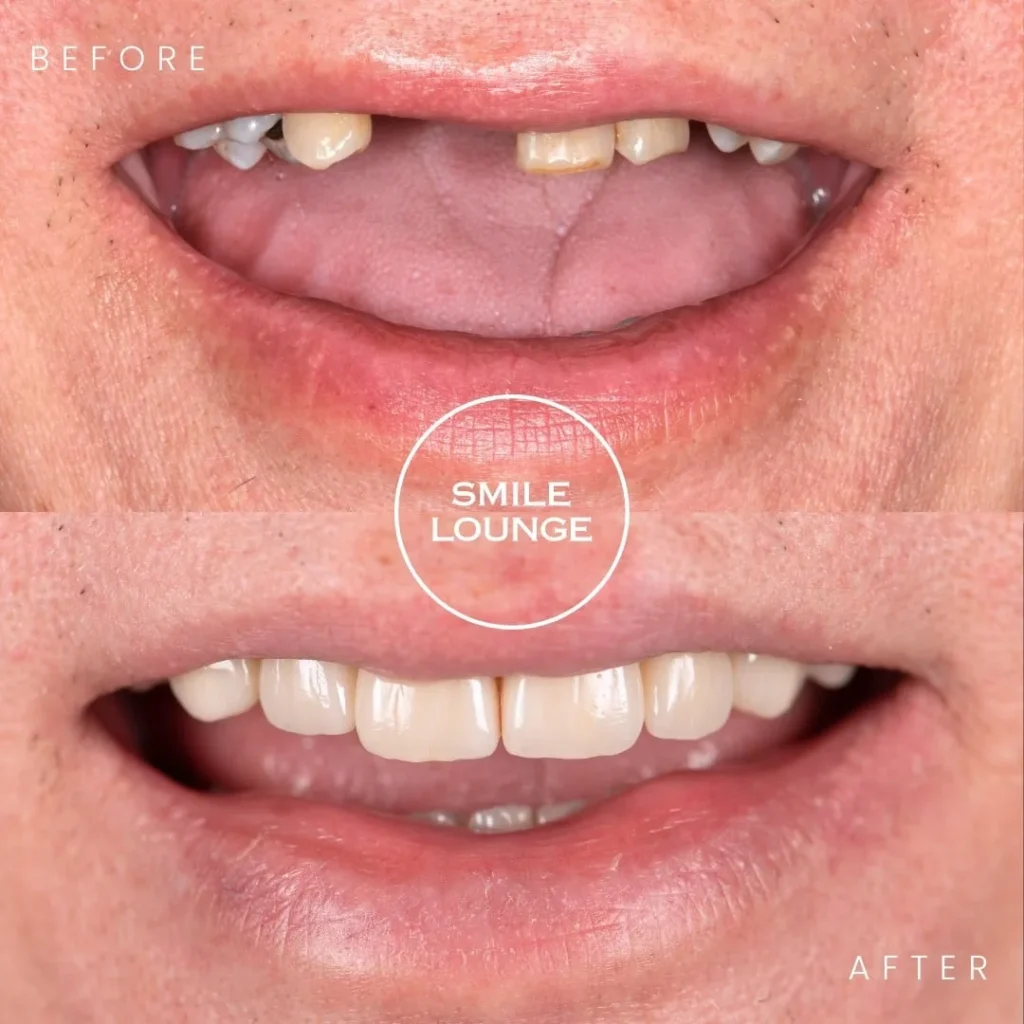
Can All-on-4 dental implants address severe gum disease and underbite concerns in Cranbourne North?
Case Note ID:Nov-2024-AO4P
Location:Smile Lounge (serving the Cranbourne North area)
Primary Treatments:All-on-4 Dental Implants, Full-Arch Restoration
Supporting Technology:Digital Treatment Planning, 3D Imaging, Guided Implant Placement
Presenting Clinical Problem
A tradesman presented with advanced periodontal disease and skeletal malocclusion requiring comprehensive full-arch rehabilitation.
- Severe Periodontal Disease:Advanced gum disease causing significant bone loss and tooth mobility
- Multiple Failing Teeth:Progressive tooth loss resulting from untreated periodontal destruction
- Edentulous Spaces:Missing teeth creating bite instability and shifting of remaining dentition
- Class III Malocclusion:Pronounced underbite affecting both function and facial aesthetics
- Compromised Mastication:Significantly reduced chewing efficiency impacting dietary choices and nutrition
The primary clinical objective was to eliminate active periodontal infection, restore complete oral function through full-arch implant rehabilitation, and improve bite relationships to address underbite presentation.
Treatment Plan & Clinical Process
A comprehensive full-arch implant protocol was developed to address periodontal pathology and restore optimal function and aesthetics through fixed implant-supported prosthetics.
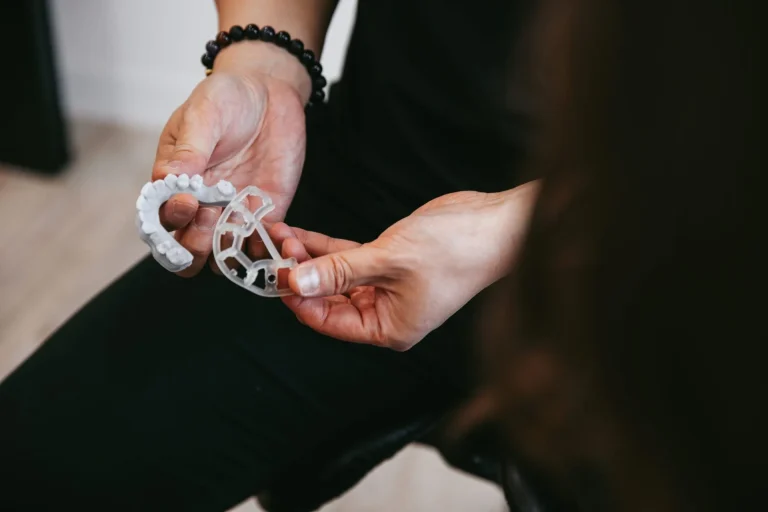
- Phase 1: Infection Management and Treatment Planning:Treatment commenced with thorough periodontal assessment and 3D imaging to evaluate bone quality and volume. Active periodontal infection required management before definitive treatment. Compromised teeth were identified for extraction. Digital planning enabled precise implant positioning and prosthetic design to address both functional and aesthetic concerns, including underbite correction.
- Phase 2: Surgical Phase and Immediate Loading:Failing teeth were extracted and All-on-4 implants were strategically placed using guided surgery protocols. Four implants per arch provided stable foundation for immediate prosthetic loading. Angled posterior implants maximized bone contact while avoiding anatomical structures. Immediate provisional prosthetics enabled function during osseointegration period.
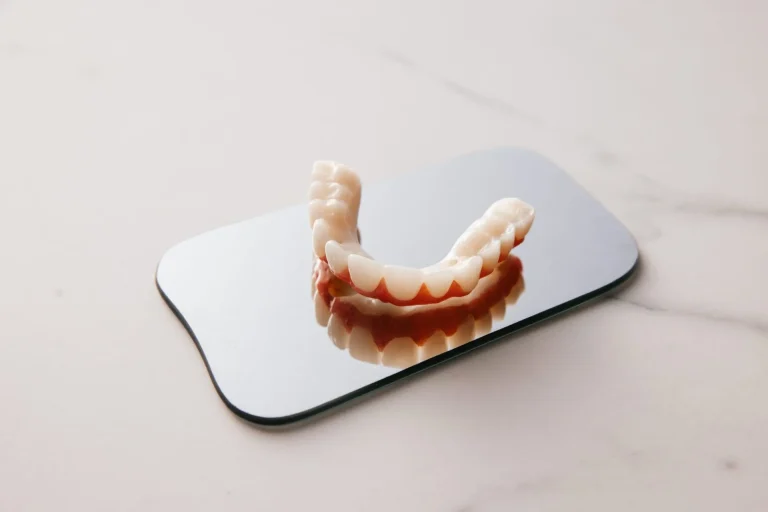
- Phase 3: Definitive Restoration:Following complete osseointegration, custom-designed porcelain teeth were fabricated and secured to implants. Final prosthetics were designed to optimize bite relationships, improve underbite presentation, and achieve natural aesthetics. Occlusal adjustments ensured balanced force distribution and comfortable function.
Clinical Outcome
The treatment successfully eliminated periodontal infection and restored complete oral function through fixed implant-supported prosthetics. All-on-4 implants provided stable foundation for full-arch restoration, eliminating issues from missing and failing teeth. The bite relationship significantly improved, with better balance and function. Chewing ability was fully restored, enabling normal dietary choices and improved nutrition.
Outcomes depend on individual patient characteristics, bone quality, healing capacity, oral hygiene maintenance around implants, and compliance with maintenance protocols. Regular professional monitoring and meticulous home care remain essential for long-term implant success. Individual responses and results vary, and outcomes experienced by one patient do not necessarily reflect results others may experience.
Frequently Asked Questions for Cranbourne North Patients
Can All-on-4 treatment correct bite problems like underbite while replacing teeth?
All-on-4 treatment offers opportunity to improve bite relationships during prosthetic design phase. Implant-supported prosthetics can be fabricated to optimize occlusal relationships and improve malocclusion presentation within reasonable parameters. However, severe skeletal discrepancies may require orthognathic surgery for complete correction. Treatment planning includes comprehensive bite analysis to determine achievable improvements. Final prosthetic design balances functional requirements, aesthetic goals, and biomechanical considerations for long-term stability.
How does severe gum disease affect eligibility for All-on-4 dental implants?
Active periodontal disease requires management before implant placement to ensure optimal success rates. Gum disease causes bone loss which may affect available bone for implant support, though All-on-4 technique utilizes angled implants to maximize existing bone. Infection control through extraction of hopeless teeth and appropriate healing period improves implant prognosis. Patients with history of periodontal disease require rigorous maintenance protocols following implant treatment to prevent peri-implantitis. Smoking cessation and optimal oral hygiene are critical for long-term success.
What is the recovery timeline for All-on-4 treatment with immediate loading?
Initial healing typically requires 2-4 weeks with dietary restrictions to soft foods protecting provisional prosthetics. Complete osseointegration occurs over 3-6 months before final prosthetic delivery. Patients receive immediate provisional teeth enabling function and aesthetics during healing period. Temporary swelling and discomfort are normal in first week, managed with appropriate medications. Most patients return to normal activities within days, though strenuous physical work may require longer recovery. Regular follow-up appointments monitor healing and prosthetic stability throughout integration period.