Nobody wants to hear they need a root canal, but sometimes it’s the hero your tooth desperately needs. When the soft tissue inside your tooth becomes infected or severely inflamed, root canal treatment can be the difference between saving your natural tooth and losing it altogether.
At Smile Lounge, we understand that the thought of root canal treatment can feel overwhelming. That’s why we’re here to walk you through exactly when this tooth infection treatment becomes necessary, what it involves, and how modern techniques make the experience far more comfortable than you might expect.
Understanding Your Tooth’s Inner Workings
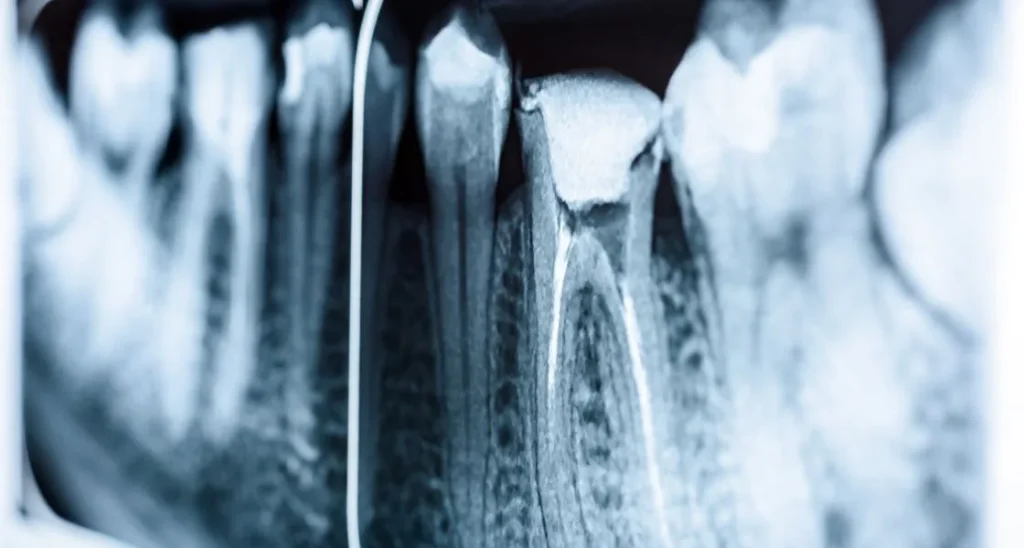
Before diving into when root canal treatment becomes necessary, it helps to understand what’s actually happening inside your tooth. Deep within each tooth lies the pulp, a soft tissue containing nerves, blood vessels, and connective tissue. This pulp plays a crucial role during tooth development, but once your tooth is fully formed, it can survive without it.
When bacteria invade this inner sanctuary through cracks, deep decay, or trauma, the pulp becomes infected or inflamed. Left untreated, this infection can spread, causing pain, swelling, and potentially leading to tooth loss. According to the Better Health Channel, about 90 to 95 per cent of people who undergo root canal treatment can expect their tooth to function normally afterwards.
Clear Signs That Root Canal Treatment Is Necessary
Your tooth won’t suffer in silence when infection strikes. Several telltale signs indicate that root canal treatment may be your best option for preserving your natural tooth:
- SEVERE TOOTH PAIN Persistent, throbbing pain that worsens when biting down or applying pressure often signals infected pulp. This pain may come and go initially but typically intensifies over time.
- PROLONGED SENSITIVITY If your tooth remains sensitive to hot or cold temperatures long after the stimulus is removed, the pulp may be damaged beyond repair.
- SWELLING AND TENDERNESS Swelling in the gums around the affected tooth, sometimes accompanied by a tender bump, indicates infection that requires immediate attention.
- TOOTH DISCOLOURATION A tooth that darkens or becomes greyish may have compromised pulp, particularly if accompanied by other symptoms.
- PERSISTENT BAD TASTE An ongoing bad taste in your mouth, especially near a specific tooth, can indicate infection and pus drainage.
When Root Canal Treatment Becomes the Best Option
Not every toothache requires root canal treatment, but certain conditions make it the most viable solution for saving your tooth:
- DEEP DECAY REACHING THE PULP When tooth decay penetrates through the enamel and dentin to reach the pulp chamber, bacteria can cause irreversible damage that only root canal treatment can address.
- REPEATED DENTAL PROCEDURES Teeth that have undergone multiple procedures may develop pulp inflammation, requiring root canal treatment to preserve the tooth structure.
- LARGE FILLINGS OR CROWNS Extensive restorations can sometimes compromise the pulp over time, necessitating endodontic treatment to maintain the tooth’s viability.
- TRAUMA OR INJURY Even if a crack isn’t visible, trauma to a tooth can damage the pulp internally, making root canal treatment necessary to prevent further complications.
At Smile Lounge, our experienced team uses advanced diagnostic techniques to accurately assess whether root canal treatment is the right solution for your specific situation.
The Modern Root Canal Experience
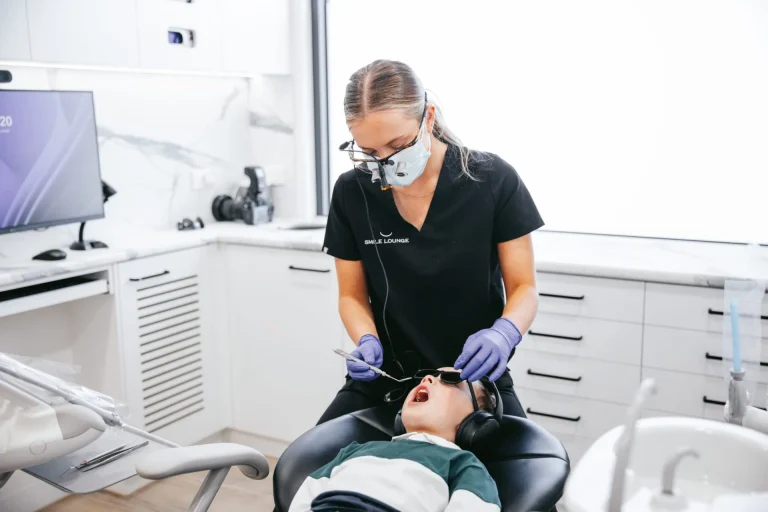
Gone are the days when root canal treatment was synonymous with unbearable pain. Today’s advanced techniques and anaesthetic options make the procedure comfortable and highly successful.
Research indicates that root canal treatments have a success rate ranging between 86% to 98%, making it an incredibly reliable tooth infection treatment. For patients who experience anxiety about dental procedures, we also offer general anaesthesia options within our purpose-built facility, ensuring your complete comfort throughout the treatment.
The procedure typically involves:
- Removing the infected or inflamed pulp
- Carefully cleaning and disinfecting the root canals
- Filling and sealing the space
- Placing a crown or filling to restore full function
Most patients return to normal activities within a day or two, with the treated tooth lasting many years with proper care.
Alternative Treatments and When They Apply
While root canal treatment is often the gold standard for saving infected teeth, it’s not always the only option. In some cases, alternative treatments might be more appropriate:
- TOOTH EXTRACTION AND REPLACEMENT When the tooth structure is too compromised or the infection too advanced, extraction followed by dental implants or other replacement options might be necessary. Our All-on-4 implant system can be an excellent solution for multiple missing teeth.
- PULP CAPPING For minor pulp exposure in healthy teeth, direct pulp capping might preserve the tooth without full root canal treatment.
- SWELLING AND TENDERNESS Swelling in the gums around the affected tooth, sometimes accompanied by a tender bump, indicates infection that requires immediate attention.
- APICOECTOMY When conventional root canal treatment isn’t sufficient, this surgical procedure can address persistent infections at the root tip.
Our team will thoroughly evaluate your specific situation to recommend the most appropriate treatment option.
Preventing the Need for Root Canal Treatment
While some situations requiring root canal treatment are unavoidable, many can be prevented with proper oral care:
- Maintain excellent oral hygiene with regular brushing and flossing
- Attend regular dental check-ups and cleans for early detection of problems
- Address dental decay promptly before it reaches the pulp
- Protect your teeth from trauma with mouthguards during sports
- Avoid chewing on hard objects that could crack teeth
Regular preventive care at Smile Lounge helps identify potential issues before they require extensive treatment.
Your Comfort Is Our Priority
At Smile Lounge, we believe dental care should never be a source of stress. Our premium facility in Narre Warren is designed with your comfort in mind, offering a relaxing environment where advanced dental techniques meet personalised care.
Whether you’re experiencing tooth pain or simply want to maintain your oral health with regular check-ups, our experienced team is here to provide exceptional care tailored to your needs. We take pride in helping our patients preserve their natural teeth whenever possible, using the latest techniques and technology to ensure optimal outcomes.
Take Action for Your Dental Health
Don’t let tooth pain dictate your daily life. If you’re experiencing any symptoms of tooth infection, prompt treatment can often save your tooth and restore your comfort. Early intervention is key to successful treatment and can prevent more complex procedures down the track.
At Smile Lounge, we’re committed to providing comprehensive tooth infection treatment options, from preventive care to advanced root canal procedures. Our team will work with you to develop a treatment plan that fits your needs and ensures your long-term oral health.
Ready to address your tooth concerns? Call us on (03) 8820 1115 or send us a message to schedule your consultation. Let’s work together to keep your smile healthy, comfortable, and complete.
Frequently Asked Questions
How long does root canal treatment take?
Most root canal treatments can be completed in one to three appointments, depending on the complexity of your case. Simple cases may be finished in a single visit, while more complex infections might require additional appointments to ensure complete healing.
Is root canal treatment painful?
Modern root canal treatment is typically no more uncomfortable than having a filling placed. We use effective local anaesthesia to ensure you’re comfortable throughout the procedure, and for anxious patients, we offer additional sedation options including general anaesthesia.
How long will my tooth last after root canal treatment?
With proper care, a tooth that has undergone root canal treatment can last a lifetime. Success rates are very high, with 90-95% of treated teeth functioning normally for many years. Regular dental check-ups and good oral hygiene are essential for long-term success.