When your dentist recommends a crown to restore a damaged tooth, you may be presented with two distinct options: CEREC crowns and traditional crowns. Understanding the differences between these approaches can help you make an informed decision about which restoration method best suits your clinical needs and lifestyle preferences.
Both CEREC and traditional crowns serve the same fundamental purpose of protecting and restoring damaged teeth while providing a natural-looking crown appearance. However, the technology, materials, and treatment processes differ significantly between these options.
At Smile Lounge, we offer both CEREC and traditional crown treatments, allowing us to recommend the most appropriate restoration based on your individual circumstances. Let’s examine the aesthetic and functional characteristics of each approach to help you understand your options.
Understanding CEREC Crown Technology
CEREC (Chairside Economical Restoration of Esthetic Ceramics) represents a modern approach to dental crown fabrication using computer-aided design and manufacturing (CAD/CAM) technology. This system allows for the creation and placement of a natural-looking crown in a single dental appointment.
The CEREC process begins with digital scanning of your prepared tooth, eliminating the need for traditional impression materials. A 3D digital model guides the design and milling of your crown from a solid block of high-quality ceramic material. The entire process, from digital impression to crown placement, typically takes 2-3 hours.
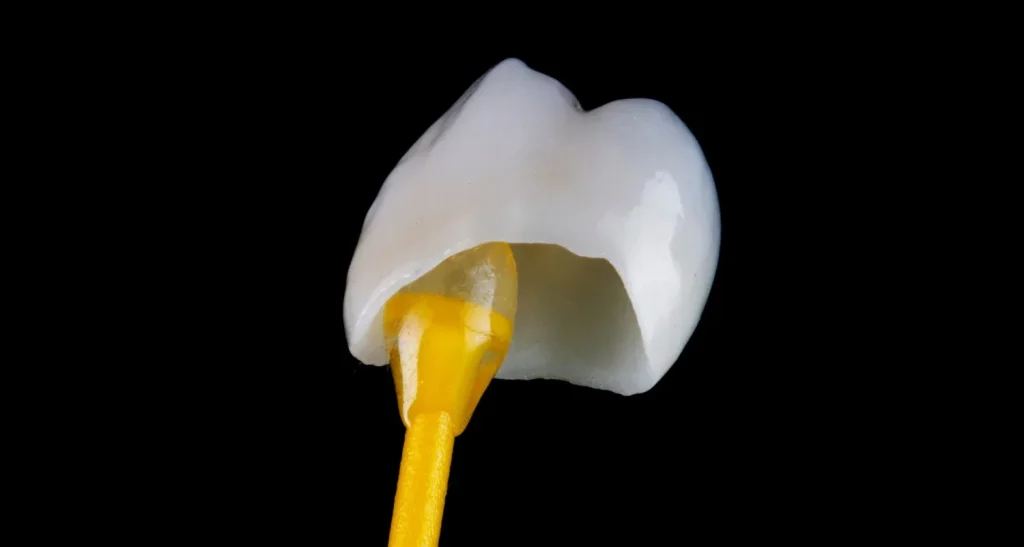
CEREC crowns are manufactured from dental-grade ceramic materials that closely mimic the optical properties of natural tooth enamel. The precise digital fabrication process allows for accurate colour matching and detailed surface texturing to create restorations that blend seamlessly with your existing teeth.
Traditional Crown Fabrication Process
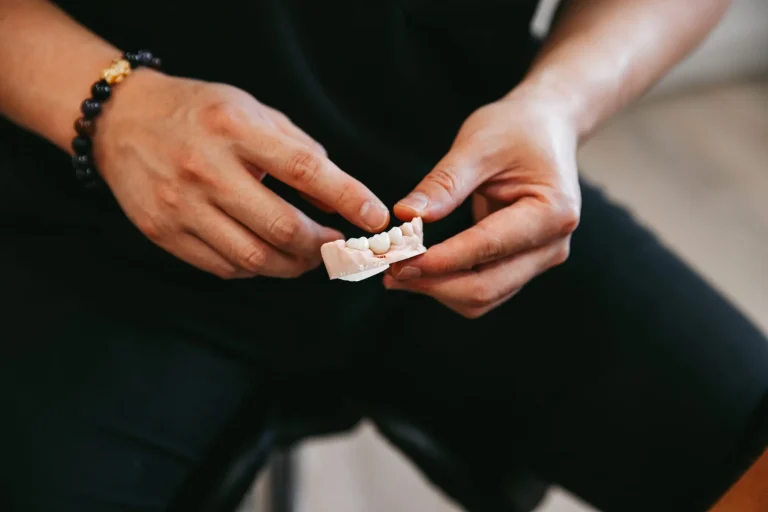
Traditional crowns follow an established multi-appointment process that has been successfully used in dentistry for decades. This approach involves taking physical impressions of your prepared tooth, which are sent to a dental laboratory for custom crown fabrication.
The traditional process typically requires two appointments separated by 1-2 weeks. During the first appointment, your tooth is prepared and impressions taken. A temporary crown protects your tooth while the permanent restoration is crafted in the laboratory. At the second appointment, the temporary crown is removed and the permanent crown is fitted and cemented.
Traditional crowns can be fabricated from various materials including all-ceramic, porcelain-fused-to-metal, or full metal options. This material flexibility allows for customised solutions based on specific clinical requirements, such as the location of the tooth and functional demands.
Aesthetic Considerations and Natural Appearance
Both CEREC and traditional crowns can achieve excellent aesthetic results when properly designed and fabricated. CEREC crowns utilise high-quality ceramic materials that offer natural translucency and can be precisely colour-matched to your existing teeth using digital colour analysis.
The computer-guided design process allows for detailed customisation of crown shape, surface texture, and anatomical features. CEREC crowns are particularly effective for creating a natural-looking crown that integrates well with your smile, especially in visible areas.
Traditional crowns may offer additional aesthetic options through laboratory techniques such as layered porcelain application, which can create subtle colour variations and translucency patterns. Skilled laboratory technicians can incorporate fine details that may be challenging to achieve with automated milling processes.
For anterior (front) teeth where aesthetics are paramount, both approaches can deliver excellent results, though traditional laboratory fabrication may provide slightly more detailed customisation for complex aesthetic cases.
Functional Performance and Durability
Both CEREC and traditional crowns provide reliable functional restoration when properly designed and placed. CEREC crowns are milled from solid blocks of ceramic material, creating a homogeneous structure that distributes forces evenly throughout the restoration.
Studies indicate that CEREC crowns can last 10-15 years with proper care, while some research suggests potential longevity of 20-30 years in ideal conditions. The precise digital fit often results in excellent marginal adaptation, which is crucial for long-term success.
Traditional crowns benefit from proven track records of clinical success spanning several decades. The variety of available materials allows dentists to select options that best match the functional requirements of specific teeth. For example, posterior teeth with heavy chewing forces might benefit from stronger materials available through traditional fabrication.
Both crown types require similar maintenance approaches, including regular oral hygiene and routine dental examinations to monitor the restoration and surrounding tissues.
Treatment Timeline and Convenience
One of the most significant practical differences between these approaches relates to treatment timeline. CEREC crowns can be completed in a single appointment, eliminating the need for temporary crowns and multiple visits.
The single-appointment process means you leave the office with your permanent restoration, avoiding the inconvenience and potential complications associated with temporary crowns. This can be particularly advantageous for patients with busy schedules or those who prefer to complete treatment quickly.
Traditional crowns require multiple appointments and temporary crown management between visits. While this extends the treatment timeline, it allows for detailed laboratory work and potentially multiple fitting adjustments if needed.
Precision and Fit Considerations
Digital technology used in CEREC crown fabrication can provide highly precise measurements and consistent reproduction of tooth anatomy. The computer-guided process eliminates variables associated with impression materials and handling that might affect traditional crown fit.
CEREC crowns often require minimal chairside adjustments due to the precision of digital design and milling. The controlled manufacturing environment ensures consistent material properties and dimensional accuracy.
Traditional crowns rely on impression accuracy and laboratory technique, which can introduce variables in the final fit. However, experienced laboratories and skilled technicians consistently produce well-fitting restorations, and the multi-appointment process allows for refinements if needed.
Clinical Suitability and Case Selection
CEREC crowns are well-suited for straightforward crown cases, particularly single-unit restorations in good clinical conditions. They work effectively for most crown situations where the damage is confined to the crown portion of the tooth.
Traditional crowns may be preferred for complex cases involving multiple units, extensive reconstruction, or situations requiring specific material properties. The laboratory setting allows for techniques that might not be feasible with chairside fabrication.
Certain clinical situations, such as damage extending significantly below the gum line, may be better addressed with traditional approaches that allow for more comprehensive treatment planning and execution.
Making an Informed Treatment Decision
The choice between CEREC and traditional crowns should be based on your specific clinical needs, time preferences, and aesthetic requirements. Both approaches can deliver excellent outcomes when appropriately selected and executed.
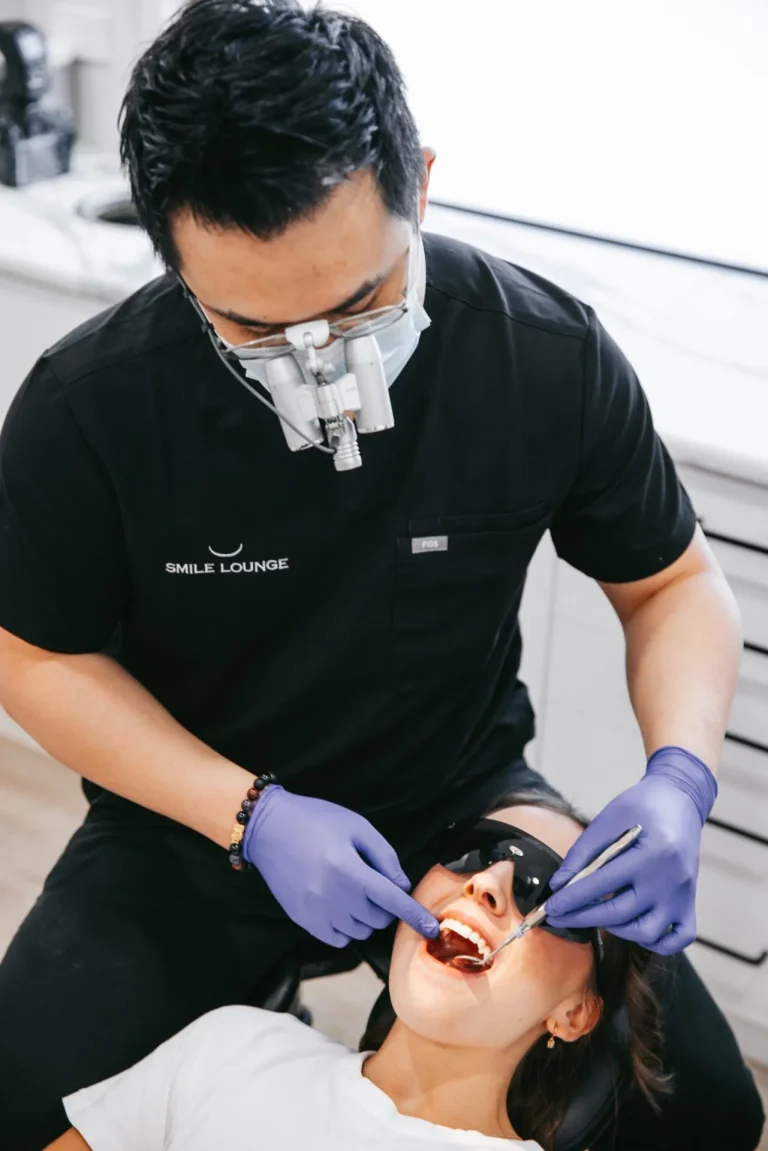
At Smile Lounge, our assessment process considers factors such as the extent of tooth damage, location in your mouth, aesthetic expectations, and timeline preferences. We provide detailed information about both options to help you make an informed decision.
Our experienced team can evaluate your situation and recommend the crown type most likely to meet your functional and aesthetic goals. We ensure you understand the treatment process, expected outcomes, and maintenance requirements for whichever option you choose.
Located in Narre Warren, our practice is equipped with both CEREC technology and relationships with skilled laboratories, allowing us to provide either treatment approach based on your individual needs. For patients who experience anxiety about dental procedures, we offer general anaesthesia options to ensure your comfort throughout treatment.
Ready to learn more about crown options and determine which approach might be most suitable for your situation? Call us on (03) 8820 1115 or send us a message to schedule your consultation. Our team can assess your specific needs and provide detailed information about both CEREC and traditional crown options.
Frequently Asked Questions
How do CEREC and traditional crowns compare in terms of longevity?
Both CEREC and traditional crowns can provide long-lasting restoration when properly cared for. CEREC crowns typically last 10-15 years, with some studies suggesting potential longevity up to 20-30 years under ideal conditions. Traditional crowns have a well-established track record of similar longevity. The actual lifespan depends on factors such as oral hygiene, bite forces, and regular dental maintenance regardless of crown type.
Is there a significant difference in how natural-looking crown options appear?
Both CEREC and traditional crowns can achieve excellent natural appearance when properly designed. CEREC crowns use high-quality ceramics with natural translucency and precise colour matching capabilities. Traditional crowns may offer slightly more detailed customisation through laboratory layering techniques, particularly for complex aesthetic cases in front teeth. The final appearance depends on proper case selection and skilled execution with either approach.
Which crown type requires more maintenance or follow-up care?
Both CEREC and traditional crowns require similar long-term maintenance, including excellent oral hygiene, regular dental check-ups, and avoiding excessive forces that could damage the restoration. The main difference is in the initial treatment process – CEREC crowns eliminate the need for temporary crown care and multiple appointments, while traditional crowns require managing a temporary restoration between visits.