The first dental visit represents an important milestone in a child’s healthcare journey. Many parents wonder when this initial appointment should occur and what it involves. Understanding the purpose and timing of early dental visits can help families make informed decisions about their children’s oral health care.
At Smile Lounge in Narre Warren, we regularly welcome young patients for their first dental experiences. Creating positive early associations with dental care can help establish foundations for lifelong oral health habits and comfortable dental experiences.
Recommended Timing for First Dental Visits
- Early Childhood Guidelines According to dental health organisations, children’s first dental visit is often recommended by their first birthday or within six months of their first tooth appearing. This early timing allows for assessment of oral development and provides an opportunity to discuss oral care routines with parents. However, the specific timing may vary based on individual factors such as the child’s oral development, family dental history, and any concerns parents might have about their child’s oral health.
- Individual Considerations Some children may benefit from earlier evaluation as part of paediatric dental check-up if there are concerns about tooth development or family history of dental problems. Others may be ready for their first visit slightly later, depending on their temperament and oral development progress. Your dental provider can offer guidance on the most appropriate timing for your child’s specific situation.
What Happens During a Paediatric Dental Check-up
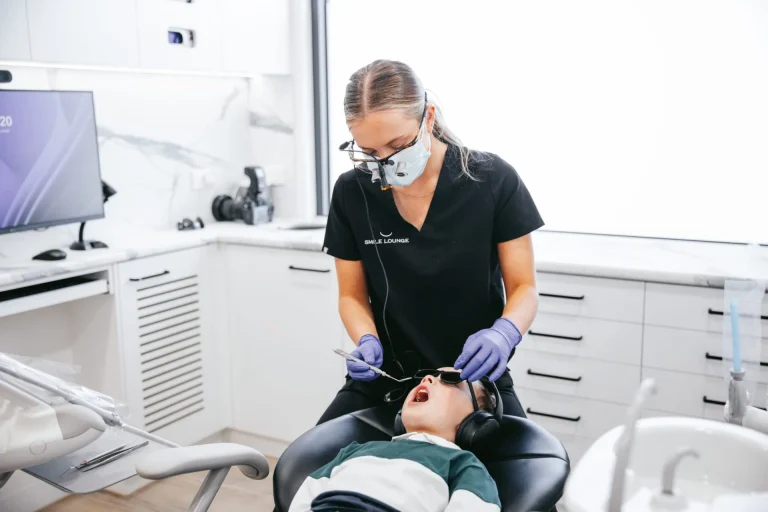
- Initial Assessment A child’s first dental visit typically focuses on gentle examination and familiarisation with the dental environment rather than extensive treatment. The dental team may assess tooth development, check for any obvious concerns, and observe the child’s oral habits. This initial paediatric dental check-up often involves allowing the child to explore the dental chair, meet the dental team, and become comfortable with the environment. The approach is typically adapted to the child’s age, temperament, and comfort level.
- Educational Discussion First visits commonly include discussion with parents about home oral care routines, dietary considerations, and developmental expectations of paediatric dental check-up protocols. Topics might include appropriate brushing techniques for young children, fluoride considerations, and feeding practices.
Benefits of Early Dental Visits
- Preventive Focus Early dental visits emphasise prevention and education rather than treatment. Starting dental care early allows for monitoring of oral development and identification of potential concerns before they become more significant problems. This preventive approach may help avoid more complex dental issues later, though individual outcomes can vary based on many factors including genetics, oral hygiene, and diet.
- Comfort Development Regular dental visits from an early age can help children become familiar with dental environments and procedures. This familiarity may contribute to more comfortable dental experiences as children grow older. However, children’s responses to dental visits vary widely, and some may require more time or different approaches to become comfortable with dental care.
- Parent Education Early dental visits provide opportunities for parents to learn about age-appropriate oral care techniques, dietary recommendations, and developmental milestones. This information can help families make informed decisions about their child’s oral health care.
Common Concerns Addressed
- Tooth Development Dental professionals can assess whether teeth are emerging in typical patterns and timeframes. While there’s considerable variation in normal tooth development, early evaluation can identify situations that might benefit from monitoring.
- Oral Habits Many young children develop oral habits such as thumb sucking or pacifier use. Dental visits provide opportunities to discuss these habits and their potential effects on oral development. Most oral habits in very young children don’t cause lasting problems.
- Feeding Practices Early dental visits often include discussion of feeding practices and their relationship to oral health. This might include information about bottle use and the introduction of various foods and drinks.
Preparing Children for Dental Visits
- Age-Appropriate Preparation Preparing children involves age-appropriate explanations and positive language about dental care. Very young children may benefit from simple explanations about “counting teeth” or “making teeth sparkle.” Reading books about dental visits or playing pretend dentist games can help some children feel more comfortable with the experience.
- Managing Expectations It’s normal for young children to feel uncertain about new experiences, including dental visits. Having realistic expectations about children’s responses can help both parents and dental teams provide appropriate support. Some children may be curious and cooperative from the first visit, while others may need multiple visits to become comfortable.
Building Positive Associations
Parents and caregivers play important roles in supporting children’s dental experiences. This might involve staying close during procedures, helping with home oral care routines, or reinforcing positive messages about dental health.
Ongoing Care Considerations
Dental visits complement daily home oral care routines. Parents typically need to assist or supervise children’s brushing until children develop adequate dexterity, which usually occurs around school age.
Making Informed Decisions
Early dental visits can play important roles in children’s oral health development, though the specific approach and timing may vary based on individual circumstances. Understanding what these visits involve can help families prepare for positive dental experiences.
At Smile Lounge, we focus on creating comfortable, educational dental experiences for young patients and their families. Our approach emphasises gentle care, family education, and building positive associations with dental health.
If you’re considering dental care for your child or have questions about paediatric dental visits, contact Smile Lounge on (03) 8820 1115 or complete our enquiry form to learn more about our family dental care approach.
Frequently Asked Questions
What if my child is afraid during their first dental visit?
It’s normal for children to feel uncertain about new experiences. Dental teams experienced in paediatric care typically use gentle approaches that respect children’s comfort levels. Some children may need multiple visits to become comfortable, and this is perfectly acceptable. The goal is building positive associations with dental care over time.
Should I stay with my child during their dental examination?
Most dental practices welcome parents to stay with young children during examinations, especially for first visits. Your presence can provide comfort and reassurance. As children become more comfortable, some may eventually prefer to go independently, but this varies greatly between children.
How should I care for my child’s teeth at home between visits?
Home oral care for young children typically involves gentle brushing with an age-appropriate toothbrush and fluoride toothpaste suitable for their age. Parents usually need to assist or supervise brushing until children develop adequate skills. Your dental team can provide specific guidance based on your child’s development.