Dental extraction involves removing a tooth from its socket in the jawbone. While modern dentistry focuses primarily on preserving natural teeth through various treatments, there are circumstances where tooth removal may be considered the most appropriate treatment option for maintaining overall oral health.
Understanding the various tooth removal indications can help patients better comprehend their treatment options and make informed decisions about their dental care. At Smile Lounge in Narre Warren, we regularly discuss extraction considerations with patients, always exploring conservative treatment alternatives before recommending tooth removal.
Common Indications for Tooth Removal
- Severe Tooth Decay When tooth decay has progressed extensively and compromised a significant portion of the tooth structure, extraction may be considered if the tooth cannot be restored effectively. This typically occurs when decay has destroyed so much tooth structure that conventional restorative treatments may not provide adequate long-term function. However, many teeth with extensive decay can still be saved through treatments such as root canal therapy combined with crown restoration. Your dentist will evaluate the extent of decay and discuss whether restorative options might be viable for your specific situation.
- Advanced Periodontal Disease Severe gum disease can lead to significant bone loss around teeth, potentially causing teeth to become loose or painful. In cases where periodontal treatment cannot adequately address the problem, extraction might be considered to prevent further complications. The decision typically involves assessment of the tooth’s stability, the extent of bone loss, and the patient’s overall periodontal health status.
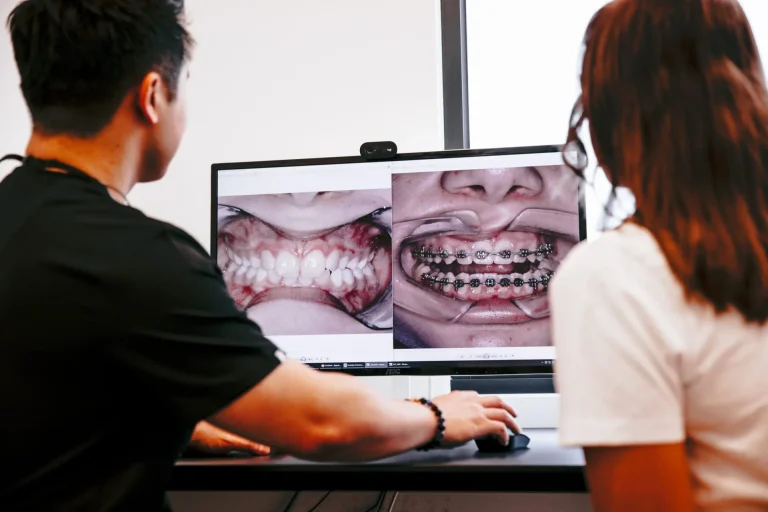
- Orthodontic Treatment Planning Some orthodontic treatments may require tooth removal to create adequate space for proper tooth alignment. This is typically considered when there is significant crowding that cannot be addressed through other orthodontic methods such as expansion. Orthodontic extractions are carefully planned as part of comprehensive treatment, with the goal of achieving optimal function and aesthetics while maintaining oral health.
Wisdom Tooth Considerations
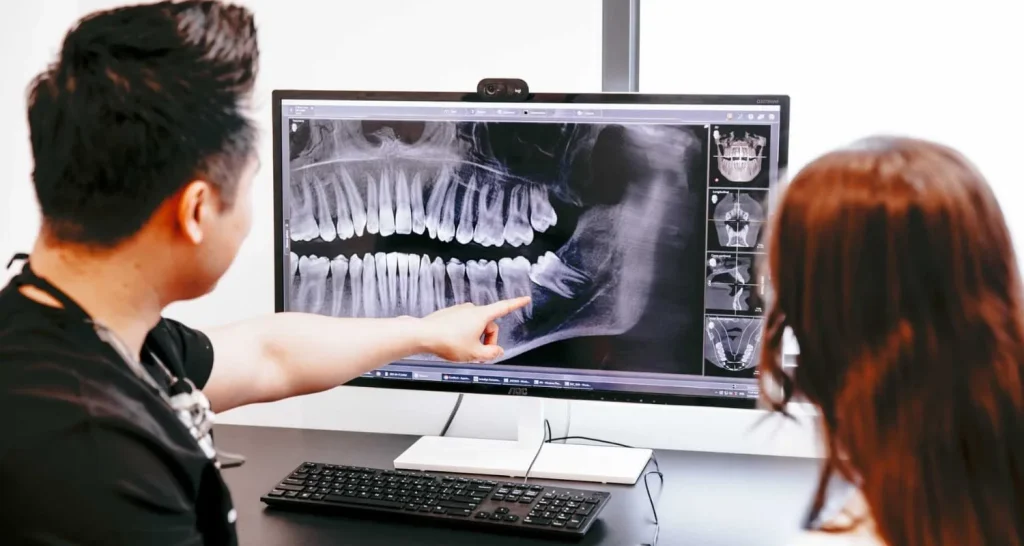
- Impaction Issues Wisdom teeth may require removal if they become impacted due to insufficient space in the jaw. Impacted wisdom teeth can potentially cause pain, swelling, or damage to adjacent teeth, though not all impacted wisdom teeth cause problems. The decision depends on various factors including the degree of impaction, available space, the patient’s age, and whether symptoms or complications are present or likely to develop.
- Preventive Considerations Some dental professionals may recommend wisdom tooth removal as a preventive measure, particularly if the teeth are difficult to clean properly or if there’s limited space for eruption. However, opinions on preventive removal vary, and individual assessment is important.
Trauma and Emergency Situations
- Dental Trauma Accidents or injuries can sometimes cause damage to teeth that makes restoration impossible or impractical. Severe fractures that extend below the gum line or damage to the tooth’s root system may necessitate extraction. However, many traumatised teeth can be saved through prompt treatment, so immediate dental evaluation following any dental injury is important for determining the most appropriate treatment approach.
- Infection Considerations Severe dental infections that cannot be controlled through root canal treatment or antibiotic therapy may require extraction to prevent the spread of infection to surrounding tissues. The decision typically involves assessment of the infection’s severity, the tooth’s restorability, and the patient’s overall health status.
Treatment Planning Factors
- Restorative Assessment Before recommending extraction, dentists typically evaluate whether the tooth can be restored to adequate function and health. This assessment considers factors such as the amount of remaining healthy tooth structure and the long-term prognosis for successful restoration. Alternative treatments such as root canal therapy, crown lengthening, or periodontal surgery may be considered before extraction is recommended.
- Patient Health Considerations Certain medical conditions or medications may influence extraction decisions. Patients with compromised immune systems, bleeding disorders, or those taking specific medications may require special considerations when evaluating treatment options. Your dentist will review your medical history and coordinate with your physician when necessary to ensure safe and appropriate treatment planning.
Alternative Treatment Options
Many conditions that might initially seem to require extraction can potentially be treated through conservative methods. Root canal treatment can address infected teeth, periodontal therapy can treat gum disease, and various restorative techniques can repair damaged teeth.
Your dentist will discuss available alternatives and their likelihood of success before recommending extraction, ensuring you understand all viable treatment options.
In some cases, immediate extraction may not be necessary, and monitoring the tooth’s condition over time might be appropriate. Regular dental examinations help monitor teeth that are being observed.
Extraction Process and Recovery
Your dentist will explain the specific procedure recommended for your situation and discuss what to expect during and after treatment.
Post-extraction healing typically involves following specific aftercare instructions to promote proper healing and prevent complications. These may include guidelines for pain management, diet modifications, and oral hygiene practices.
Making Informed Decisions
The decision to extract a tooth involves balancing multiple factors including the tooth’s condition, available treatment alternatives, long-term prognosis, and individual patient circumstances. Understanding these tooth removal indications helps patients participate meaningfully in treatment planning discussions.
At Smile Lounge, we believe in exploring all viable treatment options before recommending extraction. When extraction is recommended, we also discuss tooth replacement options such as dental implants, bridges, or dentures to maintain function.
If you’re experiencing dental problems or have questions about treatment options, contact Smile Lounge on (03) 8820 1115 or complete our enquiry form to discuss your specific situation and explore appropriate treatment approaches.
Frequently Asked Questions
Can a severely decayed tooth always be saved with root canal treatment?
Not all severely decayed teeth can be successfully restored, even with root canal treatment. The decision depends on factors such as the amount of remaining tooth structure and the tooth’s overall structural integrity. Your dentist will evaluate these factors to determine whether restoration is viable or if extraction might be more appropriate.
How do I know if my wisdom teeth need to be removed?
Wisdom tooth removal depends on various factors including available space, your ability to clean them effectively, and whether they’re causing problems or likely to cause complications. Not all wisdom teeth require removal, and the decision should be based on individual assessment rather than routine recommendation.
What are the options for replacing an extracted tooth? ?
Several options may be available for replacing extracted teeth, including dental implants, bridges, or removable dentures. The most appropriate replacement option depends on factors such as the tooth’s location, your oral health status, and individual preferences. Your dentist can discuss these options and help determine the most suitable approach.