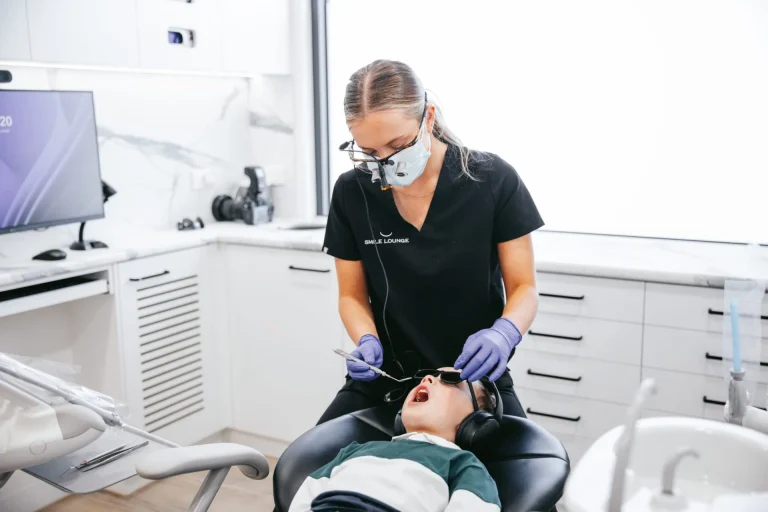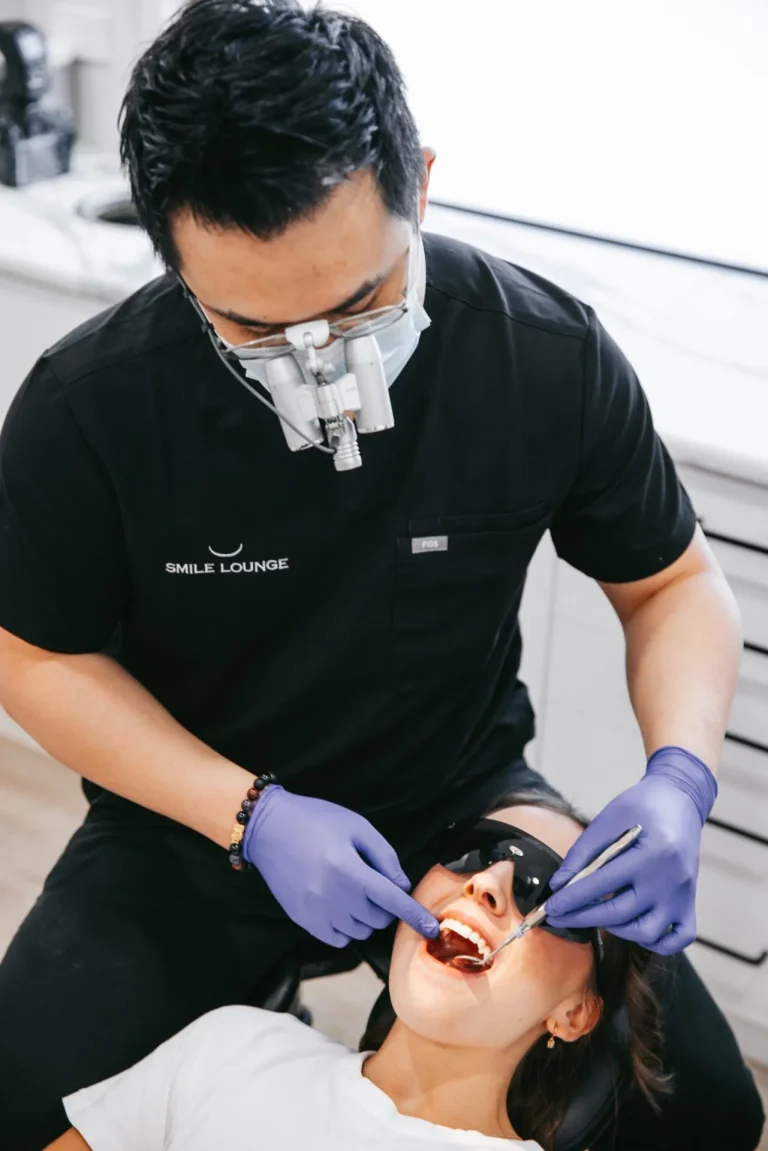
Regular dental examinations serve as an important component of preventive oral health care. These appointments involve systematic assessment of various oral structures and can help identify potential concerns before they develop into more complex problems requiring extensive treatment.
Understanding what dental exams involve and how they contribute to oral health monitoring can help patients make informed decisions about their preventive care routines. At Smile Lounge in Narre Warren, we regularly discuss the examination process with patients, explaining how different assessment techniques contribute to comprehensive oral health evaluation.
Components of Comprehensive Dental Examinations
- Visual Assessment Dental examinations typically begin with visual inspection of oral tissues, including teeth, gums, tongue, and other soft tissues. This assessment may help identify visible changes such as discolouration, swelling, or unusual lesions that warrant further evaluation. However, visual examination alone may not detect all oral health issues, particularly those in early stages or located in areas that are difficult to see clearly.
- Clinical Measurements Dental professionals may use various instruments to assess oral health conditions that aren’t readily visible. This might include measuring pocket depths around teeth, checking tooth mobility, or evaluating tissue health through gentle probing. These measurements can provide information about gum health and the supporting structures around teeth, though individual variations in anatomy and healing responses can influence findings.
- Periodontal Screening Periodontal screening involves systematic evaluation of gum health and the supporting structures around teeth. This assessment typically includes checking for signs of inflammation, measuring pocket depths, and evaluating bleeding responses during gentle probing. The periodontal screening process can help identify early signs of gum disease, though the presence of certain findings doesn’t always indicate active disease or predict future problems.
Early Detection of Gum Disease
- Recognising Initial Signs Early gum disease, often called gingivitis, may present with signs such as gum redness, swelling, or bleeding during brushing or flossing. These early indicators might be detected during routine examinations before patients notice symptoms themselves. However, some individuals may not display obvious early signs, and gum disease can sometimes progress without clear symptoms in its initial stages.
- Progressive Assessment More advanced gum disease, known as periodontitis, involves changes to the supporting structures around teeth. Dental examinations may identify these changes through clinical measurements and assessment techniques. Early detection of progressive gum disease can be important because advanced periodontal conditions may be more challenging to treat and can potentially affect tooth stability.
- Risk Factor Evaluation Dental examinations often include discussion of factors that may influence gum health, such as oral hygiene practices, smoking, medical conditions, or medications. Understanding these risk factors can help guide preventive care recommendations.
Detection of Other Oral Health Issues
- Tooth Decay Assessment Dental examinations typically include evaluation for tooth decay, which may not always be visible or symptomatic in early stages. Clinical examination combined with appropriate diagnostic tools may help identify cavities before they cause pain or discomfort. Early detection of decay can be beneficial because smaller cavities may require less extensive treatment than larger ones that have progressed deeper into tooth structure.
- Oral Tissue Evaluation Systematic examination of oral soft tissues may help identify various conditions affecting the mouth, including infections, injuries, or unusual changes that might warrant further evaluation or monitoring. Some oral tissue changes may be normal variations, while others might indicate conditions requiring professional attention or specialist referral.
- Bite and Function Assessment Dental examinations may include evaluation of how teeth fit together and function during chewing and speaking. This assessment might identify issues such as tooth wear, jaw joint problems, or bite irregularities.
Diagnostic Tools and Techniques
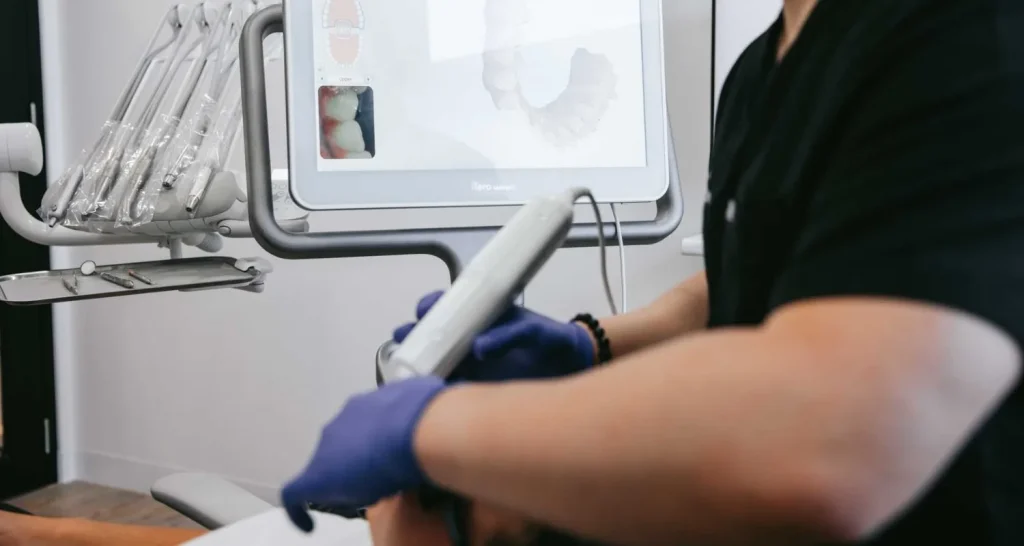
- Radiographic Assessment Dental X-rays may be recommended as part of comprehensive examinations to visualise structures that aren’t visible during clinical examination. These images can help assess tooth roots, bone levels, and areas between teeth where decay might develop. The frequency and type of radiographic assessment varies based on individual risk factors, age, and oral health history. Not all patients require X-rays at every examination.
- Additional Testing Some situations may warrant additional diagnostic tests such as bacterial sampling, tissue biopsies, or specialised imaging. These tests are typically recommended based on specific findings or symptoms rather than as routine screening procedures.
Factors Affecting Detection Effectiveness
- Examination Frequency The timing between dental examinations can influence the effectiveness of early detection. Some patients may benefit from more frequent evaluations based on their risk factors and oral health history, while others might maintain adequate monitoring with standard intervals. Your dental provider can recommend appropriate examination frequency based on your individual circumstances and oral health needs.
- Patient Participation Early detection efforts are most effective when combined with good daily oral hygiene and patient awareness of changes in their mouth. Patients who notice new symptoms or changes between appointments can help facilitate timely evaluation and management. However, the absence of noticeable symptoms doesn’t guarantee the absence of oral health issues, which is why regular professional assessment remains important.
- Individual Variation People respond differently to oral health challenges, and disease progression varies significantly between individuals. Some patients may develop problems quickly despite good oral care, while others may maintain stable oral health with minimal intervention.
Preventive Care Integration
Your dental team can provide personalised recommendations for oral hygiene techniques, products, and habits that may support your individual oral health goals.
Understanding that early detection is one component of comprehensive oral health care can help patients maintain realistic expectations about examination outcomes and prevention efforts.
Making Informed Decisions
At Smile Lounge, we focus on thorough, patient-centred examinations that provide comprehensive assessment while respecting individual needs and concerns. Our approach emphasises education and prevention while maintaining realistic expectations about detection outcomes.
If you have questions about dental examinations or would like to schedule an assessment, contact Smile Lounge on (03) 8820 1115 or complete our enquiry form to discuss your oral health monitoring needs.
Frequently Asked Questions
How often should I have dental examinations for optimal early detection?
Examination frequency varies based on individual factors such as oral health history, risk factors, and current oral health status. Many patients benefit from examinations every six months, while others may require more or less frequent visits. Your dental provider can recommend an appropriate schedule based on your specific circumstances.
Can dental exams detect all oral health problems in their early stages?
While dental examinations can identify many oral health issues early, they cannot guarantee detection of all problems. Some conditions may develop between appointments or may not present obvious early signs. Regular examinations combined with good daily oral care provide the best approach to oral health monitoring.
What should I expect during periodontal screening?
Periodontal screening typically involves gentle probing around teeth to measure pocket depths and assess gum health. You may experience some mild discomfort or bleeding if inflammation is present, but the procedure should not be painful. Your dental provider will explain findings and discuss any recommendations based on the assessment results.