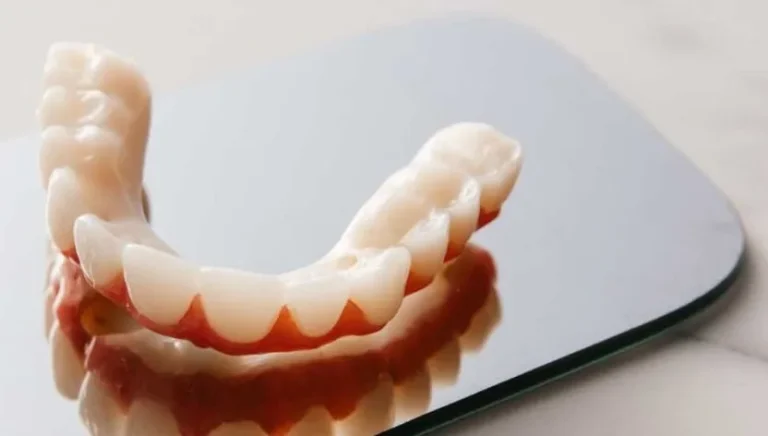

When teeth are lost, the changes that occur extend beyond the obvious gap in your smile. One concern that many patients don’t initially consider is how tooth loss can affect facial structure over time. Understanding the relationship between missing teeth and facial changes can help inform decisions about tooth replacement options.
Dental implants are often discussed not only for their functional benefits but also for their potential role in maintaining facial structure. The question of whether implants can prevent the sunken appearance that sometimes develops after tooth loss involves understanding the complex relationship between teeth, jawbone, and facial support.
At Smile Lounge, we provide comprehensive information about tooth replacement options and their various implications for oral health and facial structure. Let’s examine how tooth loss affects facial appearance and the role that dental implants may play in addressing these changes.
Understanding Bone Loss After Tooth Loss
When a tooth is lost, the surrounding jawbone begins to undergo changes through a process called resorption. This occurs because the tooth root normally provides stimulation to the jawbone through the forces of chewing and biting. Without this stimulation, the bone gradually loses volume and density.
According to dental research, the jawbone can experience up to 20-50% resorption in vertical height and width within months of tooth loss, with continued deterioration over time. This bone loss affects the underlying support structure that maintains facial contours and can contribute to changes in facial appearance.
The resorption process is progressive, meaning that the longer teeth remain missing, the more significant the bone loss becomes. This understanding forms the basis for considering how different tooth replacement options may address both functional and structural concerns.
How Facial Support Changes After Tooth Loss
The relationship between teeth and facial support involves multiple anatomical structures working together. Teeth provide support for the lips, cheeks, and surrounding soft tissues, helping maintain the natural contours of the lower face.
Missing teeth can result in reduced support for the cheeks and lips, potentially leading to a sunken appearance. This is particularly noticeable when multiple teeth are lost, as the cumulative effect on facial support becomes more pronounced.
Progressive bone loss can affect the definition of the jawline and chin area. As the jawbone loses volume, the lower portion of the face may appear to collapse inward, creating an aged appearance that extends beyond the actual loss of teeth.
How Dental Implants Provide Facial Support
Dental implants differ from other tooth replacement options in their approach to addressing bone loss. Unlike dentures or bridges that rest on or attach to existing structures, implants are placed directly into the jawbone, where they integrate with the surrounding bone tissue.
Implants function as artificial tooth roots, providing mechanical stimulation to the jawbone through normal chewing forces. This stimulation helps maintain bone density and volume, potentially preventing or slowing the progression of bone loss that contributes to facial changes.
By maintaining jawbone volume, implants help preserve the underlying structure that supports facial soft tissues. This foundation can be important for maintaining natural facial contours and preventing the sunken appearance associated with progressive bone loss.
Comparing Treatment Options for Facial Support
Different tooth replacement options provide varying levels of facial support and bone preservation:
- REMOVABLE DENTURES Traditional dentures rest on the gums and do not provide bone stimulation. Over time, continued bone loss can affect denture fit and may contribute to progressive facial changes. The pressure from dentures may even accelerate bone resorption in some cases.
- FIXED BRIDGES Bridges replace the crown portion of missing teeth but do not address the missing tooth root. While they provide some facial support through restored tooth structure, they do not prevent bone loss in the area of missing teeth.
- IMPLANT-SUPPORTED RESTORATIONS Dental implants address both the crown and root portions of missing teeth. By providing bone stimulation and structural support, they may help maintain facial structure more effectively than alternatives that don’t replace the tooth root.
Treatment Planning and Professional Assessment
When facial support is a concern, treatment planning involves comprehensive assessment of multiple factors including bone volume evaluation, facial analysis, and timing considerations. Three-dimensional imaging helps evaluate existing bone structure and determine appropriate implant placement options.
While dental implants can play a role in maintaining facial support, it’s important to understand their limitations. Implants are more effective at preventing further bone loss than reversing existing changes, and results vary between patients based on individual anatomy and healing response.
At Smile Lounge, we provide comprehensive evaluation for patients considering dental implants, including assessment of facial support concerns. Our evaluation considers your individual anatomy, existing bone structure, and treatment goals to develop appropriate recommendations.
Located in Narre Warren, our practice uses advanced imaging technology to evaluate bone structure and plan implant placement. We provide detailed information about treatment options and realistic expectations to help you make informed decisions about your oral health care.
For patients who experience anxiety about dental procedures, we offer general anaesthesia options to ensure comfort during implant placement and related procedures.
Ready to learn more about dental implants and their potential role in maintaining facial support? Call us on (03) 8820 1115 or send us a message to schedule your comprehensive consultation. Our team can assess your individual situation and discuss how dental implants might address your specific concerns about tooth loss and facial structure.
Frequently Asked Questions
How effective are dental implants at preventing facial collapse after tooth loss?
Dental implants can help maintain facial support by providing bone stimulation and structural foundation, potentially preventing or slowing the bone loss that contributes to facial changes. However, effectiveness varies based on individual factors such as timing of placement, extent of existing bone loss, and number of missing teeth. Implants are generally more effective at preventing further changes than reversing existing facial collapse.
Can dental implants restore facial support if significant changes have already occurred?
While dental implants can provide structural support and prevent further bone loss, their ability to reverse existing facial changes is limited. Significant bone loss may require bone grafting procedures to restore adequate volume for implant placement and facial support. Additional treatments may be needed to address existing soft tissue changes, and results vary between individuals.
How soon after tooth loss should implants be placed to maintain facial support?
Earlier implant placement generally provides better outcomes for maintaining facial support, as it can help preserve existing bone structure. Immediate placement following extraction may be possible in some cases, while others may require healing time before implant placement. The optimal timing depends on individual circumstances and should be determined through professional assessment of your specific situation.