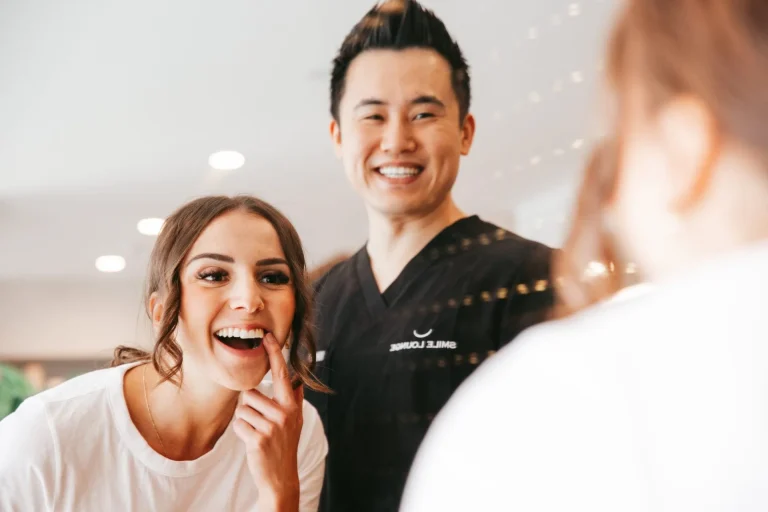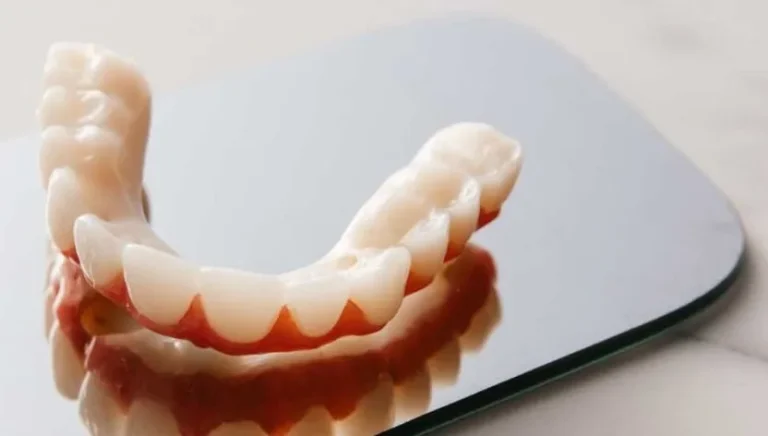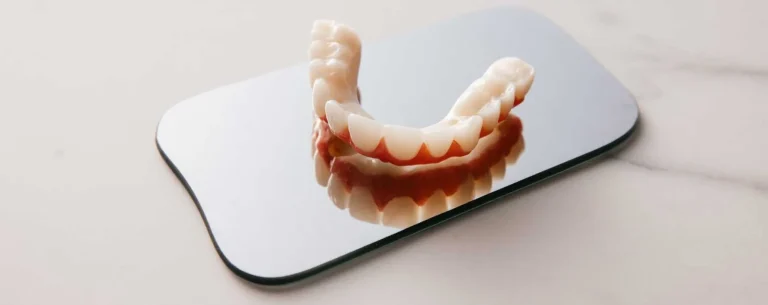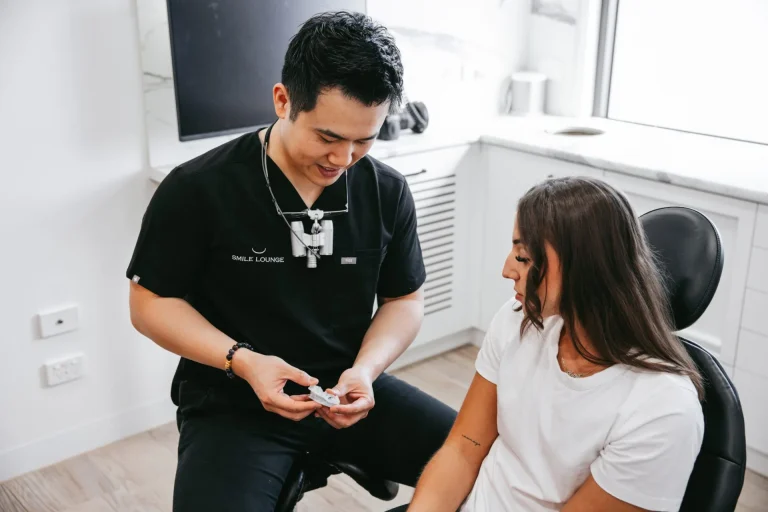
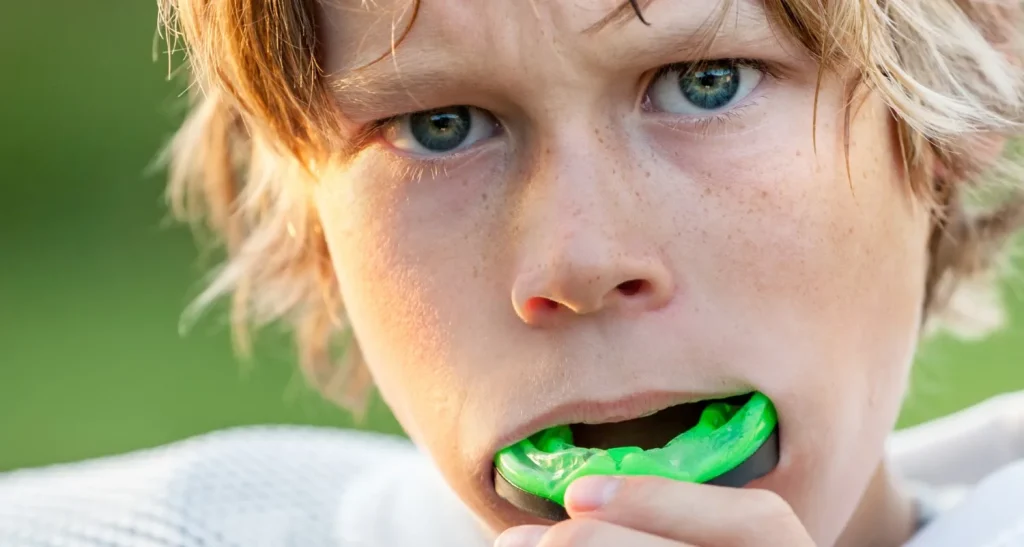
Proper care and maintenance of your custom mouthguard are essential for ensuring its effectiveness, longevity, and hygiene. Whether you use your mouthguard for sports protection or as a night guard for teeth grinding, following appropriate care guidelines helps preserve the appliance’s integrity while maintaining optimal oral health.
Custom mouthguards represent a significant investment in oral protection, and proper maintenance can extend their useful life while ensuring they continue to provide the protection for which they were designed. Understanding the correct procedures for cleaning mouthguards and storing them properly helps prevent bacterial growth, material degradation, and premature replacement needs.
At Smile Lounge, we provide comprehensive guidance on mouthguard care to help patients maximise the benefit and lifespan of their custom appliances. Let’s explore the essential maintenance practices that support both hygiene and durability.
Daily Cleaning and Immediate Care
The foundation of proper mouthguard maintenance begins with consistent daily care immediately after each use. This routine prevents the accumulation of bacteria, plaque, and debris that can compromise both the appliance and your oral health.
- IMMEDIATE RINSING After removing your mouthguard, rinse it immediately with cool or lukewarm water to remove saliva, debris, and any food particles. This initial rinse prevents material from drying onto the surface and makes subsequent cleaning more effective. Avoid using hot water, as excessive heat can distort the mouthguard’s carefully fitted shape.
- BASIC DAILY CLEANING The Australian Dental Association recommends cleaning mouthguards with a toothbrush and toothpaste, similar to how you brush your teeth. Use a soft-bristled toothbrush designated specifically for cleaning mouthguards to avoid cross-contamination with your regular oral hygiene routine. Apply a small amount of non-abrasive toothpaste and gently brush all surfaces of the mouthguard, ensuring you reach every groove and contour.
- PROPER DRYING TECHNIQUES After cleaning, rinse the mouthguard thoroughly to remove all cleaning agents, then place it on a clean, flat surface to air dry completely. This drying process is crucial for preventing rapid bacterial growth that can occur in moist environments. Allow at least 30 minutes for complete drying before storage.
Alternative Cleaning Methods
Beyond basic daily cleaning, several alternative methods can provide effective cleaning mouthguards routines using common household items:
- SOAP AND WATER METHOD Using mild, alcohol-free soap provides gentle yet effective cleaning. Apply a small amount of soap to the damp mouthguard and brush gently with a soft toothbrush, then rinse thoroughly. This method is particularly suitable for patients who prefer to avoid toothpaste residue.
- BAKING SODA PASTE Create a natural cleaning paste by combining equal parts baking soda and water. This mixture helps remove debris and reduce odours without harsh chemicals. Apply the paste with a soft toothbrush, brush gently, and rinse thoroughly.
- MOUTHWASH SOAKING Alcohol-free mouthwash can be used for soaking, though this should be diluted with water and limited to 30 minutes to prevent material damage. After soaking, rinse the mouthguard thoroughly and allow it to dry completely.
Deep Cleaning and Disinfection
Weekly deep cleaning helps maintain optimal hygiene and extends the mouthguard’s lifespan. These methods address bacterial buildup that daily cleaning might not completely eliminate:
- DENTURE CLEANING TABLETS Over-the-counter denture cleaning tablets provide effective deep cleaning when used according to manufacturer instructions. These products are specifically formulated to remove buildup while being gentle on oral appliances.
- VINEGAR SOLUTION Distilled white vinegar offers natural antimicrobial properties. Soak the mouthguard in undiluted vinegar for 30 minutes, then rinse thoroughly with water. This method helps eliminate bacteria and reduce odours naturally.
- HYDROGEN PEROXIDE TREATMENT For additional disinfection, soak the clean mouthguard in hydrogen peroxide for 30 minutes after vinegar treatment, then rinse thoroughly. This two-step process provides comprehensive cleaning while using readily available household products.
Proper Storage and Handling
Correct storage practices are essential for maintaining mouthguard hygiene and preventing damage when not in use:
- VENTILATED STORAGE CASE Always store your mouthguard in its designated case, which should have ventilation holes to allow continued air circulation. This prevents bacterial growth while protecting the appliance from damage, dust, and contamination.
- TEMPERATURE CONSIDERATIONS Keep your mouthguard in cool, dry conditions away from direct sunlight and heat sources. Never leave it in a car on hot days, as elevated temperatures can cause warping or material degradation that compromises the custom fit.
- CASE MAINTENANCE Clean the storage case regularly with mild soap and water, allowing it to dry completely before use. A dirty case can recontaminate a clean mouthguard, undermining your cleaning efforts.
Signs Requiring Professional Attention
Regular self-inspection helps identify when professional evaluation or replacement becomes necessary:
- FIT CHANGES If your mouthguard begins feeling loose, tight, or uncomfortable, it may indicate material changes or dental changes that require professional assessment. Bring these concerns to your dental appointments for evaluation.
- VISIBLE DAMAGE Cracks, tears, or significant wear patterns can compromise protection and create harbours for bacteria. Such damage typically requires replacement rather than repair.
- PERSISTENT ODOURS Despite proper cleaning, persistent unpleasant odours may indicate deep bacterial colonisation that requires professional cleaning or replacement.
Professional Maintenance and Monitoring
Regular dental appointments provide opportunities for professional mouthguard assessment and maintenance:
- ROUTINE INSPECTIONS Bring your mouthguard to dental check-ups for professional evaluation. Your dental team can assess fit, wear patterns, and overall condition while providing recommendations for care or replacement.
- PROFESSIONAL CLEANING Dental professionals can provide deep cleaning that exceeds home care capabilities, helping extend appliance life and maintain optimal hygiene.
- REPLACEMENT TIMING For children and adolescents, annual replacement is often necessary due to ongoing dental development and growth. Adults with stable dental conditions may use the same mouthguard for several years with proper care.
Factors Affecting Mouthguard Lifespan
Understanding factors that influence mouthguard durability helps set appropriate expectations and maintenance schedules:
- USAGE FREQUENCY Daily users, such as those wearing night guards, may require more frequent replacement than occasional sports use. Heavy grinding can accelerate wear beyond normal expectations.
- MATERIAL QUALITY Custom mouthguards typically last longer than over-the-counter options due to superior materials and precise fabrication techniques.
- CARE CONSISTENCY Proper daily maintenance significantly extends appliance life, while neglect accelerates deterioration and increases replacement frequency.
Supporting Your Oral Health Investment
At Smile Lounge, we understand that custom mouthguards represent both a financial investment and a commitment to oral health protection. Our team provides comprehensive guidance on proper care techniques and ongoing support to help you maximise the benefit of your appliance.
Located in Narre Warren, we offer custom mouthguard fabrication and ongoing maintenance support. Our professional team can assess your mouthguard during routine appointments and provide personalised care recommendations based on your specific usage patterns and oral health needs.
For patients who require mouthguards but experience anxiety about dental procedures, we offer general anaesthesia options to ensure comfort during impressions and fittings.
Ready to learn more about custom mouthguard care or discuss your protective appliance needs? Call us on (03) 8820 1115 or send us a message to schedule your consultation. Our team can provide personalised guidance on proper mouthguard maintenance and assess whether your current appliance continues to meet your protection requirements.
Frequently Asked Questions
How often should I replace my custom mouthguard with proper care?
With consistent proper care, adult custom mouthguards can last several years when dental conditions remain stable. Children and adolescents typically require annual replacement due to ongoing growth and dental development. Heavy users, such as those with severe grinding habits, may need replacement more frequently regardless of age. Regular professional assessment helps determine appropriate replacement timing.
What should I do if my mouthguard develops a persistent odour despite regular cleaning?
Persistent odours despite proper daily cleaning may indicate deep bacterial colonisation requiring professional attention. Try weekly deep cleaning with denture tablets or vinegar solutions as described. If odours persist, consult your dental professional, as this may indicate the need for professional cleaning or replacement.
Can I repair small cracks or tears in my custom mouthguard myself?
DIY repairs are not recommended as improper techniques or materials may compromise the mouthguard’s protective properties or create areas where bacteria can accumulate. Small damage often indicates the need for professional assessment and potential replacement. Consult your dental professional for proper evaluation of any visible damage to ensure continued protection and hygiene.