Following root canal treatment, many patients find themselves discussing the next phase of their restorative care with their dentist. One common recommendation is the placement of a dental crown to provide long-term protection and function for the treated tooth.
At Smile Lounge in Narre Warren, we regularly discuss post-root canal restoration options with patients, explaining how different treatments work together to preserve tooth function and maintain oral health. The decision to place a crown after root canal treatment involves several factors that vary from patient to patient.
What Happens During Root Canal Treatment
During the procedure, access to the root canals is typically created through the chewing surface of the tooth, which requires removing some of the natural tooth structure. The amount removed depends on factors such as the tooth’s condition and the extent of existing damage or decay.
Following treatment, the access opening is usually sealed with a temporary or permanent filling material. However, this restoration may not provide adequate long-term protection for all treated teeth, particularly those subject to significant chewing forces.
Why Crown Placement May Be Recommended
- Structural Considerations Root canal treatment, combined with any pre-existing damage or decay, can leave a tooth with reduced structural integrity. Back teeth, which bear significant chewing forces, may be particularly vulnerable to fracture without additional protection. A crown after root canal treatment can help distribute chewing forces more evenly across the tooth structure, potentially reducing the risk of fracture or further damage. However, the need for crown placement varies depending on factors such as the tooth’s location, remaining tooth structure, and individual patient factors.
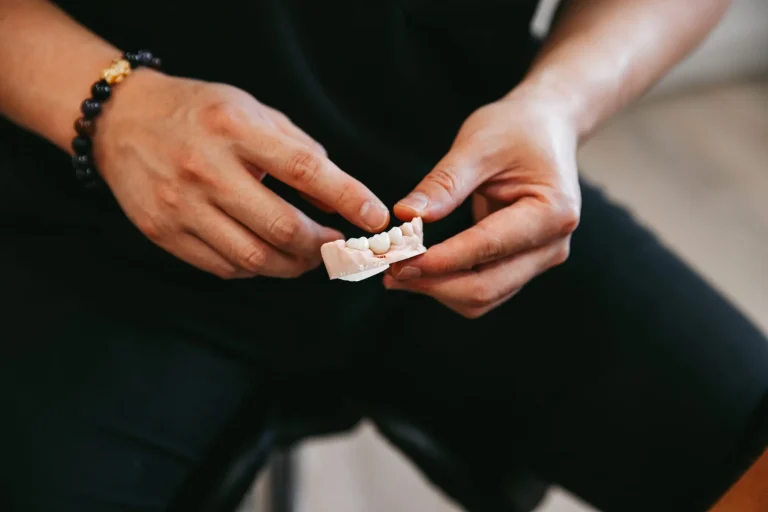
- Functional Restoration Crown placement aims to restore the tooth’s original shape and function, allowing patients to chew comfortably on the treated tooth. The crown is designed to integrate with the patient’s bite pattern and provide a durable chewing surface. The restoration process involves preparing the tooth to accommodate the crown, taking impressions for fabrication, and placing a custom-made crown that matches the tooth’s requirements.
Crown Types and Material Considerations
Your dentist will discuss material options based on your specific situation, explaining the characteristics of different materials and how they might perform in your particular case. Each material option has different properties regarding strength, appearance, and longevity.
Crowns are typically fabricated in a dental laboratory based on impressions or digital scans of the prepared tooth. During the fabrication period, a temporary crown may be placed to protect the tooth and maintain function.
Treatment Timeline and Process
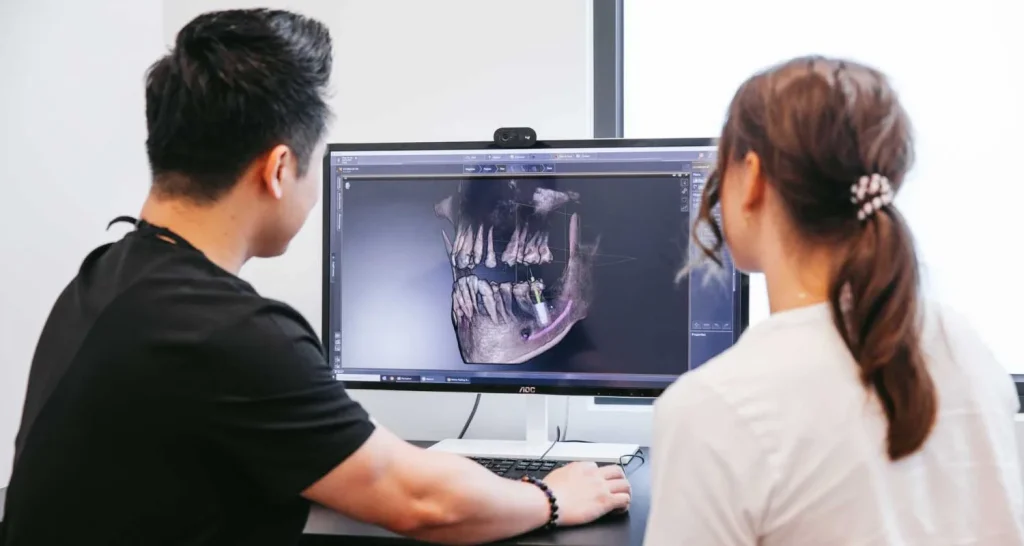
- Initial Assessment Following root canal treatment, your dentist will assess factors such as the remaining tooth structure, the tooth’s position in your mouth, and your individual risk factors to determine whether crown placement is recommended for your situation. This assessment may include examination of your bite pattern, evaluation of the treated tooth’s condition, and discussion of your long-term oral health goals. Not all teeth require crown placement following root canal treatment.
- Preparation and Placement If crown placement is recommended, the process typically begins with tooth preparation, which involves reshaping the tooth to accommodate the crown. This preparation must balance providing adequate space for the crown whilst preserving healthy tooth structure. Impressions or digital scans are then taken to create the custom crown. Once fabricated, it’s fitted and adjusted to ensure proper bite alignment and comfortable function before permanent placement.
Potential Considerations and Limitations
Some patients may require additional procedures, such as gum therapy or bite adjustment, as part of the overall treatment plan. Your dentist will discuss any additional treatments that may be beneficial for your specific situation.
Crowned teeth require ongoing maintenance through regular oral hygiene and dental check-ups. While crowns can provide excellent function and protection, they don’t eliminate the need for careful oral care.
Alternative Treatment Approaches
Your dentist will evaluate whether alternative approaches might be suitable for your specific situation, considering factors such as the amount of remaining tooth structure and the forces the tooth will experience during function.
The timing of crown placement following root canal treatment can vary. Some teeth may require immediate crown placement, whilst others may function adequately with temporary restoration for a period before crown placement becomes necessary.
Making Informed Treatment Decisions
The decision to place a crown after root canal treatment involves balancing multiple factors including tooth preservation, functional requirements, and long-term oral health considerations. Understanding the reasoning behind treatment recommendations can help patients make informed decisions about their care.
At Smile Lounge, we believe in providing comprehensive information about treatment options so patients can understand the relationship between different procedures and their long-term oral health. The success of restorative treatment depends on proper diagnosis, treatment planning, and ongoing maintenance.
If you’ve recently had root canal treatment or have questions about restorative options, contact Smile Lounge on (03) 8820 1115 or complete our enquiry form to arrange your restorative dentistry consultation.
Frequently Asked Questions
How soon after root canal treatment should a crown be placed?
The timing for crown placement varies depending on individual factors such as the tooth’s condition, location, and healing progress. Some teeth may require crown placement relatively soon after root canal treatment, whilst others may function adequately with temporary restoration for a period. Your dentist will provide specific guidance based on your individual circumstances.
Can a tooth function normally without a crown after root canal treatment?
Some teeth may function adequately with conservative restoration following root canal treatment, particularly front teeth or those with substantial remaining structure. However, back teeth that experience significant chewing forces may benefit from crown protection. Your dentist will assess your specific situation to determine the most appropriate restoration approach.
What happens if a crown isn’t placed when recommended after root canal treatment?
If crown placement is recommended but not completed, the tooth may be at increased risk of fracture or further damage, particularly during normal chewing function. However, individual risk factors vary, and your dentist can discuss the potential implications for your specific situation and provide guidance on treatment timing and alternatives.