
When considering cosmetic dental treatment to address concerns about your smile, you may find yourself weighing various options and their associated costs. Composite veneers represent one approach that many patients explore as part of their smile enhancement journey, particularly when seeking more budget-conscious alternatives to traditional porcelain veneers.
Understanding what composite veneers involve, their characteristics, and how they compare to other cosmetic dental options can help you make informed decisions about your oral health care. At Smile Lounge in Narre Warren, we regularly discuss various veneer options with patients, ensuring they understand the differences between available treatments before making any decisions.
What Are Composite Veneers?
Composite veneers are thin layers of tooth-coloured composite resin material that are applied directly to the front surface of teeth. Unlike porcelain veneers, which are fabricated in a dental laboratory, composite veneers are typically created chairside during your dental appointment using the same material commonly used for dental fillings.
The composite resin is carefully shaped and sculpted by your dentist to address specific cosmetic concerns such as chips, gaps, discolouration, or minor shape irregularities. Once the desired form is achieved, the material is hardened using a special curing light and then polished to create a smooth, natural-looking surface.
This direct application method means the entire procedure can often be completed in a single appointment, though some cases may require multiple visits depending on the number of teeth being treated and the complexity of the work required.
Treatment Process and Considerations
- Initial Consultation and Assessment The process begins with a comprehensive consultation where your dentist evaluates your oral health, discusses your cosmetic goals, and determines whether composite veneers are appropriate for your specific situation. This assessment considers factors such as tooth structure, bite alignment, and overall oral health status. During this consultation, your dentist will explain the treatment process, discuss expected outcomes, and review alternative options that might better suit your needs. It’s important to understand that not all cosmetic concerns can be effectively addressed with composite veneers, and individual results may vary.
- Preparation and Application In many cases, composite veneers require minimal preparation of the natural tooth structure. Your dentist may lightly roughen the tooth surface to help the composite material bond effectively, though this preparation is typically much more conservative than what’s required for porcelain veneers. The composite resin is then applied in layers, with each layer being shaped and cured before the next is added. This layering technique allows for precise colour matching and natural-looking results. The entire process requires skill and artistry to achieve aesthetically pleasing outcomes.
Characteristics of Composite Veneer Treatment
- Cost Considerations One of the primary factors that draws patients to composite veneers is their position as affordable veneers compared to porcelain alternatives. The direct application method eliminates laboratory costs and typically requires fewer appointments, which can result in lower overall treatment expenses. However, it’s important to consider long-term value when evaluating treatment options. While the initial cost may be lower, composite veneers may require more frequent maintenance or replacement compared to porcelain veneers, depending on individual factors such as oral hygiene, eating habits, and bite forces.
- Aesthetic Outcomes Composite veneers can address various cosmetic concerns including minor chips, small gaps between teeth, slight discolouration, and irregular tooth shapes. The results depend heavily on the skill of the treating dentist and the specific characteristics of your teeth. While composite veneers can provide pleasing aesthetic improvements, they may not achieve the same level of translucency and depth of colour as porcelain veneers. The material properties of composite resin differ from natural tooth enamel and porcelain, which can affect the final appearance.
- Maintenance Requirements Composite veneers require regular care and maintenance to preserve their appearance and function. The material can be more susceptible to staining from foods and beverages such as coffee, tea, and red wine compared to porcelain options. Regular dental hygiene appointments are important for maintaining composite veneers, as professional cleaning and polishing can help preserve their appearance. Your dentist may also recommend specific oral care products and techniques to optimise the longevity of your treatment.
Treatment Limitations and Considerations
- Durability Factors While composite veneers can provide satisfactory results for many patients, they may not offer the same longevity as porcelain alternatives. The material can be more prone to chipping, wear, and discolouration over time, particularly in patients who grind their teeth or have aggressive biting habits. According to dental literature, composite veneers may require repair or replacement more frequently than porcelain veneers, though individual experiences vary significantly based on oral habits, maintenance routines, and other factors.
- Suitability Assessment Composite veneers may not be suitable for all cosmetic concerns or all patients. Significant discolouration, major shape irregularities, or structural damage may be better addressed with alternative treatments such as porcelain veneers or dental crowns. Your dentist will assess factors such as your bite pattern, tooth grinding habits, and the extent of cosmetic changes desired when determining whether composite veneers are appropriate for your situation.
Alternative Treatment Options
- Porcelain Veneers For patients seeking maximum aesthetic results and longevity, porcelain veneers may be worth considering despite their higher initial cost. These laboratory-fabricated restorations typically offer superior stain resistance, durability, and aesthetic properties compared to composite alternatives.
- Teeth Whitening In some cases, professional teeth whitening may address discolouration concerns more effectively and cost-efficiently than veneers. This option is worth discussing during your consultation, particularly if discolouration is your primary concern.
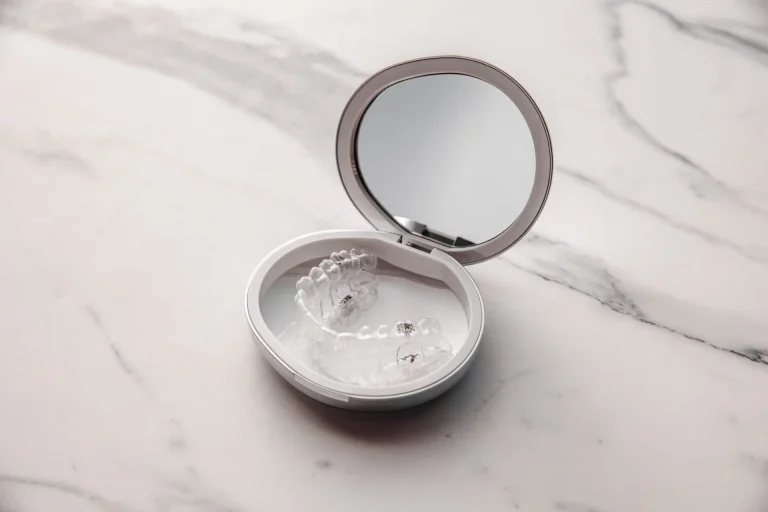
- Orthodontic Treatment For spacing or alignment issues, orthodontic treatments such as Invisalign may provide more comprehensive and lasting results than veneers. While the treatment time is longer, addressing underlying alignment issues can improve both function and aesthetics.
Making Informed Treatment Decisions
At Smile Lounge, we believe in providing comprehensive information about all available options so patients can make decisions that align with their goals, expectations, and budget considerations. Our consultation process includes detailed discussion of treatment alternatives, expected outcomes, and maintenance requirements.
The success of any cosmetic dental treatment depends on proper case selection, skilled execution, and ongoing maintenance. We encourage patients to ask questions about treatment options and to consider both immediate and long-term factors when making treatment decisions.
Taking the Next Step
If you’re considering cosmetic dental treatment and would like to explore whether composite veneers might be suitable for your situation, we invite you to schedule a consultation with our team. During this appointment, we can assess your specific needs, discuss available options, and provide personalised recommendations based on your individual circumstances.
Contact Smile Lounge on (03) 8820 1115 or complete our enquiry form to arrange your cosmetic dentistry consultation. Our team can help you understand the various smile enhancement options available and determine which approach might best suit your goals and budget considerations.
Frequently Asked Questions
How long do composite veneers typically last before requiring replacement?
The lifespan of composite veneers varies depending on individual factors such as oral hygiene, eating habits, and bite forces. Some patients may experience several years of satisfactory function, while others may require repairs or replacement sooner. Regular dental check-ups help monitor the condition of composite veneers and address any issues early. Your dentist can provide more specific guidance based on your individual circumstances.
Can composite veneers be repaired if they become chipped or damaged?
In many cases, minor chips or damage to composite veneers can be repaired during a dental appointment using additional composite material. However, extensive damage may require complete replacement of the veneer. The repairability of composite veneers is one advantage over porcelain veneers, which typically require complete replacement if damaged.
Are there any dietary restrictions with composite veneers?
While there are no absolute dietary restrictions, certain precautions can help preserve the appearance and integrity of composite veneers. Limiting foods and beverages that cause staining, avoiding extremely hard foods that could cause chipping, and not using teeth as tools can help extend the lifespan of your veneers. Your dentist can provide specific recommendations based on your treatment and lifestyle factors.