If you’re considering replacing missing teeth or upgrading from traditional dentures, you’ve likely encountered the term “All-Teeth-On-4” during your research. This innovative dental solution has revolutionised how we approach full arch tooth replacement, offering patients a permanent alternative to removable dentures that delivers both function and aesthetics.
Understanding the benefits of All-Teeth-On-4 treatment can help you make an informed decision about whether this advanced procedure aligns with your oral health goals and lifestyle needs. At Smile Lounge in Narre Warren, we regularly see patients who are amazed by the transformation this treatment provides, from restored eating capability to renewed social confidence.
Understanding All-Teeth-On-4 Technology
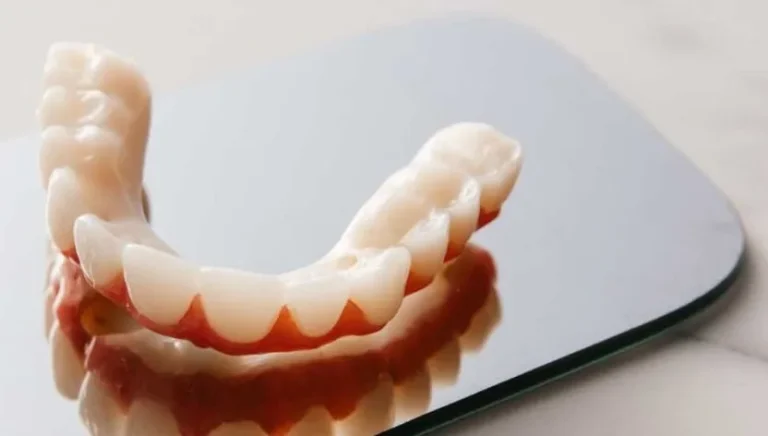
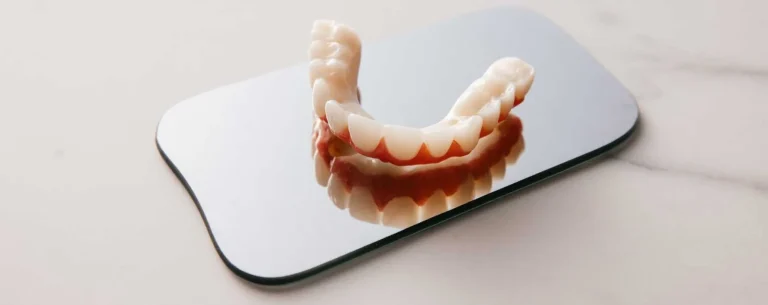
All-Teeth-On-4 represents a significant advancement in implant dentistry, utilising four strategically placed dental implants to support a complete arch of non-removable teeth. Unlike traditional implant approaches that might require six to eight implants per arch, this technique maximises available bone density whilst minimising surgical complexity.
The procedure involves placing two straight implants in the front portion of the jaw and two angled implants towards the back. This strategic positioning allows the implants to engage with denser bone areas, providing exceptional stability for the prosthetic teeth. According to dental research, this approach achieves success rates exceeding 95% when performed by experienced practitioners.
The non-removable nature of these teeth means they’re permanently secured to the implants, eliminating the daily routine of removing and cleaning traditional dentures. This fixed approach provides patients with a tooth replacement solution that functions similarly to natural teeth.
Immediate Functional Benefits
- Enhanced Eating Capability One of the most significant advantages of All-Teeth-On-4 treatment is the restoration of normal eating function. Traditional dentures typically limit patients to softer foods, but non-removable teeth allow you to enjoy a full range of foods with confidence. Patients report being able to bite into apples, eat corn on the cob, and enjoy steak without worry about their teeth shifting or becoming dislodged. This functional improvement extends beyond convenience—it supports better nutrition and overall health outcomes.
- Improved Speech Clarity Loose or ill-fitting dentures can affect speech patterns, causing slurring or clicking sounds. All-Teeth-On-4 eliminates these concerns by providing a stable foundation for clear speech. The fixed nature of the prosthetic ensures consistent tongue placement and airflow, supporting natural speech patterns.
- Elimination of Daily Maintenance Routines Unlike removable dentures that require nightly soaking and special cleaning protocols, non-removable teeth are cared for just like natural teeth. This means brushing twice daily and regular flossing—no special adhesives, soaking solutions, or removal routines required.
Long-Term Oral Health Advantages
- Bone Preservation Traditional dentures sit on top of the gums and don’t stimulate the underlying jawbone, leading to gradual bone loss over time. Dental implants, however, integrate with the bone through a process called osseointegration, providing the stimulation necessary to maintain bone density. This bone preservation benefit is particularly important for facial structure maintenance. According to Australian dental studies, patients with traditional dentures can lose up to 25% of their jawbone height within the first year after tooth extraction, while implant-supported solutions help maintain bone integrity.
- Reduced Risk of Gum Irritation Poorly fitting dentures can cause chronic gum irritation, sores, and infections. All-Teeth-On-4 eliminates these issues by providing a stable, properly fitted prosthetic that doesn’t rub against sensitive gum tissue.
The fixed nature of the restoration also prevents food particles from becoming trapped underneath, reducing the risk of bacterial buildup and associated oral health complications.
Lifestyle and Social Benefits
- Increased Social Comfort Many denture wearers experience anxiety about their teeth slipping or making noise during social interactions. Non-removable teeth eliminate these concerns entirely, allowing patients to speak, laugh, and eat in social settings without worry. This security extends to professional environments as well, where clear speech and eating capability during business meals can be important for career success.
- Active Lifestyle Support For patients who enjoy active pursuits, All-Teeth-On-4 provides the stability needed for sports, exercise, and outdoor activities. Unlike removable dentures that might shift during physical activity, these fixed teeth move with you naturally.
- Travel and Convenience Travelling with traditional dentures requires packing cleaning solutions, adhesives, and managing the daily removal routine. Non-removable teeth eliminate these travel complications, allowing for simpler, more spontaneous lifestyle choices.
Treatment Efficiency and Recovery
- Streamlined Treatment Timeline All-Teeth-On-4 treatment can often be completed in fewer appointments compared to traditional implant approaches. In many cases, patients receive temporary teeth on the same day as implant placement, allowing for immediate function whilst the implants integrate with the bone. The final prosthetic is typically placed after a healing period of three to six months, during which patients can function normally with their temporary teeth. This efficient timeline minimises disruption to daily life whilst achieving optimal long-term results.
- Predictable Healing Process The strategic implant placement used in All-Teeth-On-4 protocols has been refined through extensive research and clinical experience. This results in predictable healing patterns and reduced risk of complications compared to more complex implant procedures.
- Cost-Effective Solution Whilst the initial investment for All-Teeth-On-4 treatment is significant, it often proves more cost-effective than traditional approaches when considering long-term maintenance and replacement costs. Removable dentures typically require adjustments, relines, and eventual replacement every five to seven years.
Making an Informed Treatment Decision
Choosing All-Teeth-On-4 represents a significant investment in your oral health and quality of life. The combination of functional benefits, oral health advantages, and lifestyle improvements makes this treatment an attractive option for patients seeking a permanent solution to tooth loss.
At Smile Lounge, our comprehensive consultation process includes detailed imaging, treatment planning, and discussion of all available options. We believe informed patients make the best treatment decisions, which is why we take time to explain the benefits, limitations, and expectations associated with All-Teeth-On-4 treatment.
The success of this treatment depends on proper patient selection, meticulous surgical technique, and ongoing maintenance. Our team’s experience with implant dentistry and commitment to continuing education ensures patients receive treatment that meets the highest standards of care.
Ready to learn whether All-Teeth-On-4 could transform your oral health and daily function? Contact Smile Lounge on (03) 8820 1115 or complete our enquiry form to schedule your comprehensive consultation. Our team can evaluate your specific situation and discuss how non-removable teeth might fit into your oral health goals.
Frequently Asked Questions
How long do All-Teeth-On-4 implants last compared to traditional dentures?
All-Teeth-On-4 implants are designed to last 20-25 years or longer with proper care, whilst the prosthetic teeth may require replacement every 10-15 years. Traditional dentures typically need replacement every 5-7 years due to wear and changes in jaw structure. The longevity of implant-supported solutions makes them a more predictable long-term investment for tooth replacement.
Can I eat normally immediately after All-Teeth-On-4 treatment?
You’ll receive temporary teeth on the day of surgery that allow for modified eating during the initial healing period. We recommend starting with softer foods and gradually introducing firmer textures as healing progresses. Most patients can return to eating most foods within a few weeks, with full dietary freedom once the final prosthetic is placed after the healing period.
Is All-Teeth-On-4 treatment suitable for patients who have had dentures for many years?
Many long-term denture wearers are excellent candidates for All-Teeth-On-4, even if some bone loss has occurred. The angled implant placement technique is specifically designed to maximise available bone, often eliminating the need for bone grafting procedures. A comprehensive evaluation including 3D imaging helps determine candidacy and treatment planning for each individual situation.